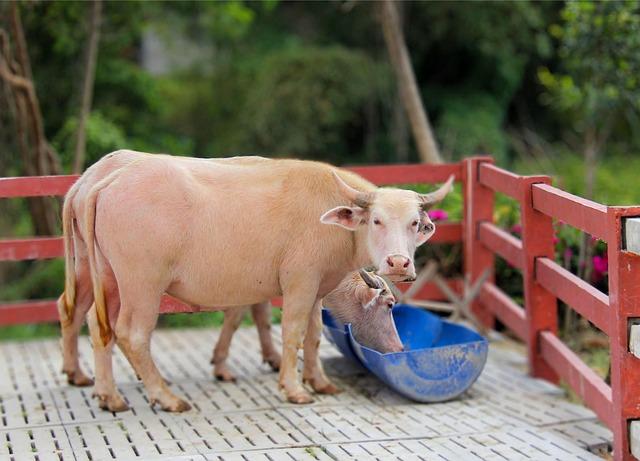
White bison nicknamed “Donald Trump” draws crowds after last‑minute rescue at South Carolina zoo
A pale-coated bison spared from the slaughterhouse and taken into a South Carolina zoological facility has quickly become a magnet for visitors and online attention. The animal – an albino or leucistic bison estimated to be around 10 years old and weighing in excess of 1,000 pounds – was removed from a private farm at the end of last month and is now under ongoing veterinary supervision. Staff and supporters have given the animal the nickname “Donald Trump,” a moniker that has helped fuel media coverage and public curiosity.
Rescue, immediate care and why the animal matters
– The bison was transferred to the zoo following a last‑minute intervention prompted by welfare concerns. Zoo veterinarians performed an intake exam and established a treatment and monitoring plan to address issues commonly associated with reduced pigmentation, such as increased sensitivity to sunlight and potential ocular problems.
– Though true albino bison are exceptionally uncommon, animals with white or pale coats have cultural and conservation interest; the American bison population has rebounded from historical lows to roughly half a million animals across North America, most of which are in private herds or managed preserves. White individuals remain rare within that total.
– The zoo frames the decision to house the animal as both an animal‑welfare response and an educational opportunity – to discuss genetics, the ethics of livestock culling, and conservation of bison and other grassland species.
Public reaction: sudden celebrity status and operational strain
– Since the animal’s arrival, interest has surged. The facility reports a marked uptick in visitors, with weekend attendance climbing well above typical levels and lines forming outside the gates. Photographers, families and social‑media users have converged on the enclosure to catch a glimpse of the pale bovine.
– That popularity has created logistical and welfare challenges. Crowding near the exhibit can increase stress for the bison and other herd members, and it has stretched the zoo’s staffing and safety plans. In response, management has increased keeper presence, added extra keeper talks, and adjusted viewing arrangements to reduce disturbance.
– Examples from other high‑profile animal stories – such as Knut the polar bear in Berlin, whose early fame generated immense foot traffic and fundraising but also raised long‑term care questions – illustrate both the potential benefits and pitfalls of rapid celebrity.
Actions taken to protect the animal and visitors
To balance access with animal welfare, the zoo has implemented a number of immediate measures and is planning additional steps:
– Enhanced supervision: more keepers on site during peak hours to manage crowds, check barriers and provide visitor guidance.
– Visitor flow controls: clearer queueing paths, signage asking visitors to keep voices low and refrain from tapping glass, and consideration of timed‑entry windows to limit simultaneous crowding at the enclosure.
– Focused medical monitoring: daily veterinary rounds, behavior logs, and rapid‑response plans to identify signs of stress or skin and eye conditions that can affect pale‑pigmented animals.
– Environmental modifications: increased shade structures and sheltered retreats within the habitat to reduce sun exposure and give the bison private spaces when needed.
Conservation, genetics and long‑term care recommendations
Veterinarians and conservation scientists advise a careful, science‑driven approach to ensure the animal’s long‑term wellbeing and to convert fleeting interest into sustained protection:
– Genetic screening: experts recommend genetic testing to determine whether the pale coat derives from albinism or another pigment variant (leucism or piebald genetics). Such screening can identify inherited conditions, guide medical monitoring, and inform any future decisions about breeding or relocation.
– Ongoing health surveillance: beyond initial panels, periodic dermatologic and ophthalmic checks are advised because pale animals frequently require extra protection from UV exposure and may have vision sensitivities.
– Record keeping and registries: establishing a transparent medical and lineage record – and, where appropriate, contributing findings to central registries – helps conservationists track rare individuals and prevents inadvertent perpetuation of harmful recessive traits.
– Responsible storytelling: conservationists urge the institution and media partners to frame coverage around welfare and science rather than sensational headlines. Messaging should encourage respectful viewing, explain the biology behind pale coats, and provide clear pathways for donations to be used for medical care and habitat improvements rather than one‑off publicity stunts.
Turning viral attention into long‑term benefit
The sudden popularity of this bison presents opportunities to support broader conservation goals if managed deliberately:
– Partner with accredited sanctuaries and conservation organizations to channel public interest into education, habitat restoration, and support for wild bison populations.
– Create educational materials and programming that explain genetic diversity, the history of bison recovery in North America, and the differences between managed herds and free‑ranging populations.
– Use regulated, time‑limited viewing and membership or donation incentives to generate predictable revenue streams earmarked for veterinary care, enclosure upgrades, and genetic monitoring programs.
Key takeaways
– A rare pale bison rescued from a planned slaughter and now housed at a South Carolina zoo has become a high‑profile attraction after being nicknamed “Donald Trump.”
– The animal’s arrival has driven significant increases in attendance, prompting operational changes to protect both visitors and the bison’s welfare.
– Veterinary teams and conservation experts recommend genetic testing, enhanced medical surveillance, enclosure modifications to limit UV exposure, and measured public messaging to ensure the animal’s celebrity supports long‑term care rather than short‑lived spectacle.
– If managed responsibly, the attention can raise awareness of bison conservation and animal‑welfare issues and provide funding for ongoing scientific and habitat work; the zoo has indicated it will continue to monitor the bison’s health as it develops its long‑term plan.