Headline: Trump Demands DOJ Probe Into Alleged Gasoline “Price Gouging,” Cites Refinery and Wholesale Practices
Trump Urges Federal Investigation Into Fuel Pricing
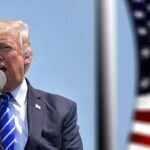
Former President Donald Trump publicly accused major oil and fuel distributors of engaging in what he called “price gouging,” and urged the Department of Justice to open a formal inquiry. In televised remarks, he urged federal prosecutors to determine whether retail and wholesale suppliers unlawfully inflated pump prices and to take legal action if wrongdoing is uncovered. The claim has refocused attention on rising retail fuel costs and injected a legal and political dimension into discussions about how gasoline prices are set.
What Trump Is Requesting
Trump’s statement called for rapid, forensic scrutiny of the fuel supply chain, with specific demands including:
- Subpoenas for refinery operating logs and pricing records.
- Expedient reviews of wholesale supply agreements and margin data.
- Public accountability from companies if anticompetitive conduct is found.
Industry groups have pushed back, saying that wholesale and retail prices primarily reflect global crude markets, legitimate operating costs and routine supply disruptions. Federal officials had not confirmed whether the DOJ would launch a formal probe at the time of the announcement.
Evidence Cited and Potential Market Drivers
A variety of operational and market signals are being cited as reasons to investigate whether recent pump-price increases were entirely market-driven or exacerbated by other factors. Relevant items identified by analysts include:
- Unexpected refinery outages that remove processing capacity and can quickly tighten local supply.
- Bottlenecks in pipeline and trucking capacity that limit fuel flows between regions.
- Concentration among wholesalers and retailers that can amplify price moves when supply is strained.
Taken together, these elements can produce sharp regional spikes in pump prices even when national crude oil inputs remain steady. The pattern resembles a traffic jam on a major highway: when a critical lane closes (a refinery outage), the remaining lanes become congested and delays – here, price spikes – ripple across the system.
What a DOJ Antitrust Review Would Investigate
If the Department of Justice’s Antitrust Division pursued a probe, investigators would likely seek internal documents and transactional data to determine whether elevated prices stemmed from natural scarcity or from coordinated conduct. Typical investigative steps could include:
- Compulsory production of refinery outage logs and maintenance schedules.
- Forensic examination of wholesale trading records and rack-pricing transactions.
- Preservation and review of inter-company emails and scheduling communications.
- Rapid analysis of inventory and distribution flows to spot unusual drawdowns.
Those materials would help distinguish normal market responses from conduct that violates antitrust laws, such as price-fixing, market allocation or coordinated supply withholding.
Operational Priorities for Investigators (examples)
Evidence sought -> Immediate investigative step
- Refinery downtime reports -> Subpoena operational and maintenance records
- Wholesale transaction logs -> Forensic trade review and market-impact analysis
- Internal communications -> Preserve and demand expedited production
Policy Proposals to Improve Transparency and Protect Consumers
Observers and experts have suggested short-term transparency measures and consumer protections that could be deployed while any criminal or civil investigation proceeds. Possible actions include:
- Creating a standardized, machine-readable feed that links wholesale rack prices to hourly retail pump reads, enabling real-time monitoring of markups.
- Requiring major fuel chains and large wholesalers to report hourly pump prices and wholesale purchases for a limited period when anomalies are detected.
- Standing up an interagency task force (DOJ, FTC, EIA and state attorneys general) to triage tips, coordinate data collection and speed investigative referrals.
- Implementing temporary disclosure rules so retailers display supplier costs and retailer margins on-site or on receipts.
- Allowing emergency consumer remedies, such as limited-period rebate authority for unexplained, sudden price surges.
These measures mirror transparency tools used in other sectors: just as financial regulators require certain trade reporting to detect manipulation, fuel-market reporting could provide the raw data needed to identify irregular pricing behavior quickly.
Balancing Market Dynamics Against Enforcement Goals
Regulators must weigh the risk of unnecessary intervention against the public interest in ensuring competitive markets. Refinery utilization commonly fluctuates due to maintenance cycles, weather-related disruptions or unplanned outages; those legitimate factors can drive short-term price variations. At the same time, concentrated wholesale networks and opaque contract terms make it difficult for outside observers to determine whether price movements reflect supply fundamentals or anticompetitive behavior without compelled disclosures.
Immediate consumer impact is visible: shoppers and small businesses feel changes at the pump even when underlying market shifts are subtle. Where possible, transparency and short-term consumer protections can provide relief while investigators assemble a factual record.
Political and Legal Implications
The call for a DOJ probe elevates gasoline pricing into a high-profile political issue. If the Department of Justice opens an inquiry, it could lead to litigation, compelled disclosures of commercial contracts and heightened regulatory scrutiny of the energy sector ahead of future elections. Industry representatives will likely defend pricing as market-based; plaintiffs or state attorneys general might pursue civil antitrust claims in parallel.
Next Steps and What to Watch
- Whether the DOJ publicly announces a formal investigation or chooses to monitor the situation quietly.
- Any regulatory actions from the Federal Trade Commission, Energy Information Administration or state attorneys general aimed at increasing reporting or consumer protection.
- Statements and data releases from major refiners, wholesalers and retail chains addressing outages, margins and pricing methodology.
- Near-term regional changes in pump prices that either corroborate or contradict industry explanations.
Conclusion
By alleging price gouging and pressing for Department of Justice involvement, Trump has prompted renewed scrutiny of how gasoline prices are established and whether legal remedies are warranted. Determining whether the increases stem from ordinary market supply-and-demand dynamics or from conduct that violates competition laws will require rapid data collection, document reviews and possibly grand-jury discovery. Observers will be watching for DOJ action, industry responses and any regulatory steps designed to provide consumers with clearer pricing information in the weeks ahead.