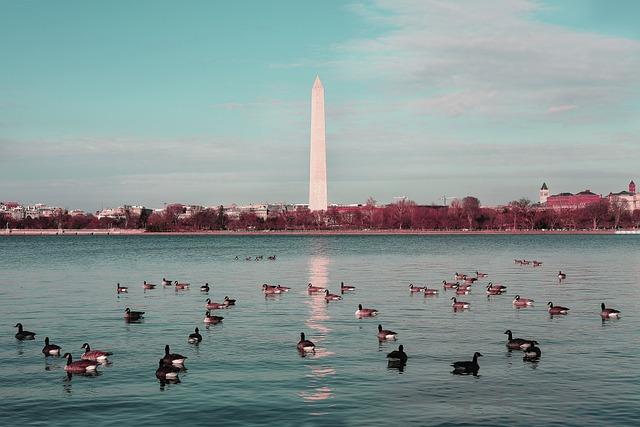
Title: The National Mall’s Reflecting Pool and What It Reveals About Aging Water Infrastructure
Opening snapshot
The intermittent closures, repeated drainings and persistent algae that have plagued the National Mall’s Reflecting Pool this year are more than a headline about a single monument. They are a concentrated example of a recurring problem: engineered landscapes and water systems conceived for a past era are straining under neglect, shifting climates and rising expectations for public space. The pool’s troubles – from ruptured liners to corroded supply lines – illustrate how even carefully crafted civic icons can unravel when maintenance, design and ecological realities diverge.
What technicians actually found (and why it matters)
When crews inspected the pool, they discovered a sequence of physical failures rather than one isolated defect. Key findings included:
– A compromised waterproof membrane that allowed steady seepage into surrounding soils.
– Deteriorated supply and return piping with small leaks that cumulatively bled thousands of gallons.
– Clogged intake screens and trapped sediment that reduced circulation and created conditions for algae blooms.
Those breakdowns transformed a symbolic reflecting surface into a costly repair site practically overnight. Beyond visible damage to stone and symmetry, leaking water undermined foundations and required sections of the pool to be taken out of service – a disruption to tourism, ceremonial use and everyday enjoyment of the Mall.
A symptom of a larger national issue
The Reflecting Pool’s woes are not unique. Across the country, ornamental water features, stormwater systems and aging municipal pipes have shown similar vulnerabilities. Experts and infrastructure reports have repeatedly warned that water systems-especially decorative and non-revenue-generating assets-often fall behind on scheduled upkeep. The result is a cycle of emergency spending and short-term fixes that ultimately costs more than steady investment.
Climate trends increase both frequency and cost. More intense downpours and warmer temperatures can accelerate corrosion, stress pumps and promote biological growth in stagnant water, compounding problems that years of deferred maintenance have already set in motion.
From emergency response to a maintenance-first mindset
The most immediate lesson is administrative: park managers and municipal leaders must shift resources away from crisis response and toward predictable stewardship. Practical steps include:
– Regular condition assessments: inspections on a defined schedule that include liners, pipes, pumps and masonry.
– Comprehensive asset inventories: lifecycle documentation to identify what will fail next and when.
– Dedicated maintenance funds: reserve accounts earmarked for routine upkeep rather than one-time emergency allocations.
– Transparent procurement and performance contracts: clearly specified scopes and accountability measures for contractors.
These measures convert reactive, expensive interventions into sequenced capital planning and simpler, lower-cost repairs. They also build public trust when results and budgets are visible.
Designing water features for ecological realities
Beyond funding and scheduling, the Reflecting Pool episode spotlights an important design shift: working with natural processes instead of trying to exclude them. Landscape architects and hydrologists increasingly recommend integrating “living” elements that buffer systems against extreme events and reduce long-term maintenance burdens. Proven approaches include:
– Hybrid basins and planted filters that use vegetation to remove nutrients and slow flows.
– Permeable paving and subsurface infiltration to reduce runoff volume and demand on pumps.
– Bioswales and rain gardens that intercept stormwater before it reaches delicate lined basins.
– Real-time monitoring of water quality and structural strain to catch problems early.
– Community stewardship programs that engage volunteers in monitoring and basic upkeep.
Think of these changes as converting brittle, single-purpose installations into adaptable systems – more like natural ponds that cycle and renew themselves than perfectly still mirrors that must be artificially managed at all times.
A practical plan for managers (audit cadence and reserve guidance)
Municipalities can adopt simple, repeatable standards to guide investment. An example framework:
– Ornamental pools & fountains: inspections every 4-6 months; reserve target 3-6% of replacement value.
– Masonry, terraces and steps: annual structural checks; reserve 2-4%.
– Mechanical equipment (pumps, filtration, electrical): quarterly to semiannual servicing; reserve 1-3%.
These figures are illustrative and should be calibrated to local climate, usage and asset condition. The key is predictable cadence and budget discipline so problems are caught and fixed before they compound.
Real-world parallels and the political dimension
At a practical level, the reflecting pool saga becomes a test of institutional priorities. Similar patterns show up in municipal parks and public plazas nationwide: unscheduled algae die-offs in urban ponds, liner failures in decorative basins, and expensive pump replacements that could have been avoided with routine attention. These occurrences are often framed as isolated incidents, but they accumulate into a broader public cost and lost civic value.
Decision-makers therefore face choices that extend beyond engineering: how much to invest in routine care, whether to embrace hybrid ecological designs, and how to demonstrate accountability to taxpayers. Public dashboards, independent condition reports and clearer contracting terms can help translate technical fixes into visible governance improvements.
Conclusion: symbolic and practical stakes
The National Mall’s Reflecting Pool is more than a landmark; it is a visible test of how we treat shared infrastructure. Repairing the pool will restore an important civic stage, but the deeper opportunity is to change course: adopt maintenance-first budgets, reimagine designs that accept natural dynamics, and use transparent processes so repairs are neither perpetual surprises nor political football. Whether the pool is restored to its traditional form or reworked into a more resilient hybrid feature, the outcome will signal whether we learn from this episode and invest in long-term stewardship of our most prominent public spaces.