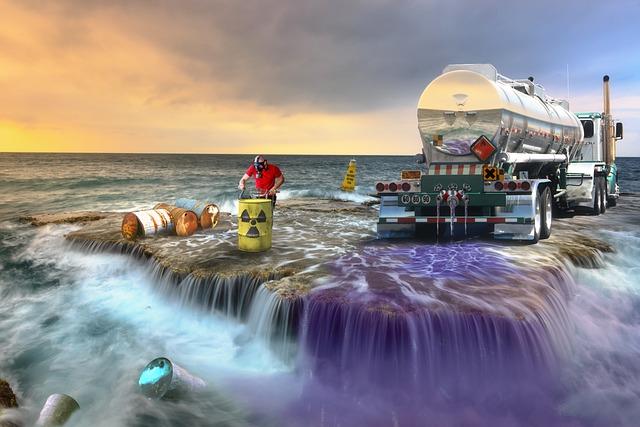
Washington – The Trump administration is moving to dismantle a hard‑won federal safety standard aimed at reducing toxic pollution from chemical plants, a step that environmental advocates say will roll back protections for workers and nearby communities. The changes target revisions to the EPA’s Risk Management Program – long touted as the Chemical Disaster Rule – which tightened accident‑prevention requirements, expanded community notification and increased oversight following high‑profile industrial accidents. The agency argues the rollback will ease regulatory burdens on industry and spur economic activity; opponents counter that it will weaken safeguards against catastrophic releases of hazardous chemicals and make it harder for emergency responders and residents to prepare for and respond to spills and explosions. The clash over the rule sets the stage for a legal and political fight over how to balance industry costs with public safety.
Administration Moves to Undo Longstanding Rule That Limited Toxic Pollution From Chemical Plants
The Environmental Protection Agency, under the Trump administration, issued a proposal this week that would roll back a set of safety requirements adopted after several high-profile industrial accidents. Agency officials framed the move as a correction of excessive regulatory burdens on chemical manufacturers, saying the changes will ease compliance costs and streamline reporting. Critics – including local officials, environmental groups and workers’ advocates – warn the change would weaken safeguards that limit toxic releases and reduce community access to information about chemical storage and emergency plans. The debate has quickly sharpened into a broader clash over whether short-term industry relief is worth the long-term risk to neighborhoods that sit next to large processing facilities.
- Public-health risk: Opponents say the rollback increases the chance of offsite exposures to hazardous substances.
- Transparency cutbacks: Communities could lose timely alerts and access to detailed risk-management plans.
- Enforcement scaling back: Regulatory inspections and permit conditions may become less stringent.
| Rule element | Before | After (proposed) |
|---|---|---|
| Risk assessments | Annual audits, public summaries | Reduced frequency, limited disclosure |
| Emergency notifications | Immediate community alerts | Permitted delays, narrower scope |
| Third‑party audits | Required for high‑risk facilities | Optional or waived |
Legal challenges are expected within days, and several state attorneys general have signaled they will consider suing to block the change. Environmental groups are preparing to mobilize affected communities, while industry trade associations praise the administration for prioritizing economic competitiveness. The coming weeks will determine whether the proposal becomes policy, but one thing is clear: the move marks a significant pivot in federal chemical-safety policy with immediate implications for plant neighbors, first responders and the environment.
Rollback Weakens Monitoring and Enforcement and Exposes Downwind Communities and First Responders to Greater Risk
Industry’s retreat from hard-won monitoring and reporting standards removes the backbone of modern chemical safety: continuous sensors, mandatory incident logs, and clear enforcement triggers. Regulators say the rollback will reduce the frequency of facility inspections and limit access to real-time emissions data that communities and emergency crews rely on to make life-or-death decisions. Without robust monitoring, routine lapses go unnoticed longer, civil penalties lose their bite, and local authorities are left to respond with incomplete information – a dynamic that magnifies risk for downwind neighborhoods and the first responders who run toward danger.
Local officials, public health experts and union leaders issued near-unanimous warnings about the immediate consequences:
- Delayed or absent public alerts for toxic releases
- Less transparency in pollutant levels and plume modelling
- Weaker deterrents against preventable accidents
- Increased exposure and higher cleanup and health-care costs
The contrast is stark in operational terms – small changes in oversight translate into large differences in community safety:
| Metric | Before | After |
|---|---|---|
| Sensor coverage | Extensive, continuous | Patchy, intermittent |
| Reporting cadence | Immediate/public | Delayed/limited |
| Inspection triggers | Automatic on anomalies | Discretionary |
Journalists who covered recent incidents note that this rollback shifts accountability away from measurable compliance toward corporate discretion – a policy choice that critics say leaves the most vulnerable literally downwind of higher risk.
Experts and Public Health Advocates Urge Immediate Restoration of Strict Emission Limits Mandatory Equipment Upgrades and Independent Third Party Monitoring
Public health experts, environmental attorneys and community advocates are sounding the alarm after the administration moved to dismantle the regulatory framework that had curbed toxic releases from chemical plants. Citing a record of accident prevention and measurable emissions reductions under the previous rule, these specialists argue that rolling back requirements will immediately raise the risk of catastrophic releases and chronic exposure for frontline communities. In interviews and policy briefs, they demand the immediate restoration of strict limits, arguing that only binding standards tied to mandatory upgrades and regular oversight can prevent the kind of large-scale contamination events that prompted the original rule.
Advocates outlined a short list of non-negotiable actions they say federal regulators must adopt without delay:
- Restore strict emission limits with transparent, enforceable numeric caps;
- Mandate equipment upgrades to modern leak detection, fail-safe valves and containment systems;
- Require independent third-party monitoring with public reporting and community access to data;
- Strengthen emergency notification and community right-to-know provisions.
| Measure | Expected Benefit (Short Term) |
|---|---|
| Emission Caps Restored | Fewer acute releases |
| Mandatory Upgrades | Lower leak rates |
| Third-Party Monitoring | Faster detection & public trust |
Future Outlook
The move marks a significant rollback of regulations that were crafted after a deadly 2013 plant explosion and have been credited with tightening safety standards around high-risk chemical facilities. The administration says the changes will reduce paperwork and compliance costs for industry; opponents say they strip away protections for workers and nearby communities and could make it harder to prevent or respond to future disasters. Legal challenges and state-level efforts to preserve stricter limits are expected, setting up a months-long contest over how the nation balances industrial competitiveness with public safety. As courts, regulators and lawmakers weigh in, residents living near chemical plants – and the first responders who would confront any accidents – will be watching closely to see whether protections meant to reduce toxic pollution survive the rollback.