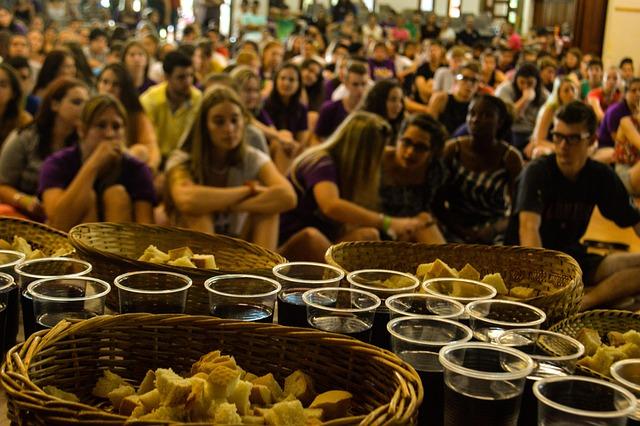
When Ana García stepped off a bus in suburban Atlanta last year, the first place she went was not a government office or a job center but the small Spanish-language evangelical church three blocks from her apartment. Within days she had a phone number for a daycare, a ride to a hospital appointment and a circle of people who checked in on her – practical help that matched the sense of welcome she found in the sermons and music.
Across the United States, stories like García’s are increasingly common. From storefront congregations in Midwestern towns to megachurch campuses in Sun Belt cities, evangelical churches are drawing large numbers of migrants by offering a mix of spiritual community and concrete social support. Pastors, sociologists and immigrants interviewed for this article point to factors such as worship styles that emphasize emotional connection, services and programming in migrants’ languages, volunteer networks that provide food, housing and legal referrals, and congregations led by fellow immigrants who bridge cultural gaps.
That combination of belonging and belief is reshaping both local congregations and broader patterns of immigrant integration. As this series will examine, the trend raises questions about how faith-based networks fill gaps in public services, how churches influence newcomers’ social and political lives, and what it means for the future of religious institutions in an increasingly mobile nation.
Why Evangelical Churches Serve as Immediate Safety Nets for Migrants Through Worship, Food and Social Support
In many cities, newcomer families describe the pew as a first stop on arrival – a place where ritual and routine offer immediate orientation. Worship gatherings create instant social recognition, where names are learned, children are welcomed, and volunteers connect newcomers to existing networks. Pastors and lay leaders often provide the kind of rapid, trust-based aid that formal institutions cannot: prayer becomes a vehicle for emotional triage, bilingual services reduce language barriers, and informal sponsorship helps people navigate schools, health appointments and work interviews within days rather than weeks.
On the ground, this support is practical and varied. Typical on-the-ground supports include:
- Food assistance – weekly hot meals, grocery bags, emergency vouchers;
- Spiritual and emotional care – language-specific worship, counseling, prayer chains;
- Administrative help – form-filling, ID guidance, referrals to legal clinics;
- Economic and housing support – job leads, resume help, temporary lodging networks;
- Child and family services – childcare during services, tutoring, school enrollment aid.
| Service | Typical availability |
|---|---|
| Hot meals | Weekly evening service |
| Legal referrals | Monthly clinic days |
| Language classes | Bi-weekly workshops |
How Language Concordance, Cultural Rituals and Moral Messaging Build Trust in Latino and African Migrant Communities
Reporters covering congregations in immigrant neighborhoods find that trust often begins with speech: sermons, announcements and pastoral counseling delivered in a mother tongue signal immediate comprehension and respect. Churches that hire bilingual staff, offer translation during worship, or run Spanish-, Portuguese- or French-language Bible studies create low-friction points of entry. Concrete practices include
- Bilingual services that mirror Sunday rhythms from home countries
- Familiar rituals – music, call-and-response prayer, and communal meals
- Pastoral accompaniment for paperwork, job searches and schooling
– all of which convert spiritual outreach into practical support and cultivate durable relationships beyond Sunday morning.
Beyond language and ritual, moral messaging frames a predictable ethical landscape that migrants recognize and rely upon; themes like family solidarity, resilience and mutual aid align with values many arrive with and crave in uncertain environments. Clergy often act as cultural brokers – translating not just words but norms, and signaling where newcomers can find help without shame. A quick comparison observed across congregations shows how specific emphases differ but work together to build confidence and belonging:
| Feature | Latino congregations | African congregations |
|---|---|---|
| Language | Spanish/Portuguese bilingual ministries | English + French/Amharic/Swahili groups |
| Rituals | Processional music, shared meals | Call-and-response, extended praise |
| Moral focus | Family, perseverance, public piety | Communal support, spiritual victory |
Policy and Practice Steps for Cities and Congregations to Aid Integration: Expand Bilingual Services, Fund Legal Clinics and Invest in Job Programs
City halls and congregations are quietly aligning around practical supports that make life livable for newcomers: ramping up translation, easing access to documents and training frontline staff to work across languages and cultures. Municipal budgets that allocate funding for bilingual services – from multilingual call centers to translated forms and signage – reduce confusion that can otherwise stall housing, schooling and health care. Churches and evangelical groups are responding by opening their doors as sites for language classes, interpretation for worship and community navigation; local pastors say those gestures both meet needs and build trust.
- City-funded interpreters in health and schools
- Congregation-led English and citizenship classes
- Cross-sector training for bureaucrats and clergy
Legal and economic supports are seen as equally urgent: leaders call for grants to seed community legal clinics and for public-private job initiatives that connect migrants to living-wage work. Municipalities can underwrite clinic hours, partner with law schools for pro bono counsel and offer tax incentives for employers who hire and train newcomers. Faith communities often host clinics and job-readiness workshops, serving as referral hubs that link clients to lawyers, workforce boards and apprenticeships.
- Funded legal clinics and know-your-rights outreach
- Employer partnerships for on‑ramps to steady employment
- Microgrants to scale congregation-run programs
| Program | Lead | Est. Annual Cost |
|---|---|---|
| Multilingual Hotline | City Office | $120,000 |
| Community Legal Clinic | Law School/Church | $75,000 |
| Job Training Cohort | Nonprofit/Employer | $50,000 |
The Conclusion
As migrants continue to reshape the religious and social landscape of many U.S. communities, evangelical churches remain a notable point of contact – offering not only spiritual guidance but also practical support, social networks and a sense of belonging that can ease the strain of resettlement. Researchers, clergy and congregants interviewed for this piece say those combined factors help explain why some newcomers are drawn to evangelical congregations even when they arrive with different faith backgrounds or limited English.
Whether this pattern will alter the political, cultural and civic profile of receiving communities – or how churches themselves will adapt as their memberships diversify – are questions that policymakers, faith leaders and scholars say merit close watching. For now, the story of migration and religion continues to be written at the intersection of belief, community and survival.