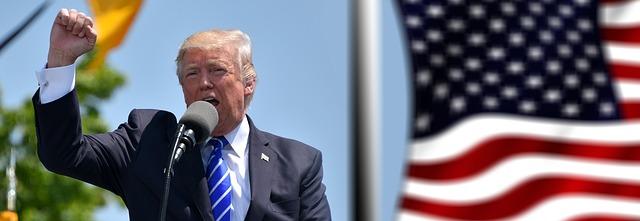
In widely shared footage that has reignited debate over his fitness for office, former President Donald Trump appeared to nod off during a public appearance, setting off a flurry of criticism and defensiveness across the political spectrum. Opponents seized on the moment as evidence of waning attentiveness at a time when lawmakers and voters alike cite mounting economic and social strains across the country. Supporters and some allies dismissed the incident as a minor lapse, arguing it does not detract from his political agenda. The episode has sharpened questions about leadership and stamina as the nation confronts deepening divisions and policy challenges.
Trump Nods Off During National Briefing as Infrastructure and Safety Nets Strain Experts Urge Independent Fitness Assessment, Immediate Oversight and Targeted Legislative Fixes
Live cameras caught the president briefly dozing during a televised briefing on the nation’s failing infrastructure and stretched social safety nets, a moment that amplified bipartisan concerns about executive capacity as highways crumble, power grids falter and emergency shelters overflow. Journalists in the room and officials watching remotely described a flurry of whispered prompts from aides and a rapid pivot back to talking points, but policy experts say the incident underscores a deeper governance problem: an immediate, independent fitness assessment, paired with congressional oversight, is needed to reassure the public and ensure continuity of command while targeted legislative fixes are advanced.
- Independent medical review by nonpartisan physicians and neurologists
- Special congressional oversight panel with emergency subpoena power
- Short-term emergency funding for critical repairs and relief
- Bipartisan audit of national infrastructure and safety-net eligibility systems
- Timebound legislative packages with built-in review sunsets
Lawmakers and watchdogs moved quickly to translate concern into action, proposing measures that range from administrative transparency orders to narrowly targeted bills aimed at bolstering DOT, FEMA, HHS and SSA operations; proponents argue that swift, surgical fixes can restore services while a formal assessment determines longer-term leadership arrangements. Below is a concise summary of the problems flagged and the remedies being pushed by experts and congressional aides.
| Issue | Proposed Fix | Timeline |
|---|---|---|
| Bridges & Roads | Emergency repair fund + independent audits | 6-12 months |
| Disaster Response | FEMA regional hubs + staffing surge | 3-9 months |
| Social Safety Nets | Claims simplification + IT upgrades | 4-8 months |
Leadership Fatigue and National Consequences The Human Cost of Inattention and Concrete Steps for Restoring Executive Competence and Emergency Preparedness
Local hospitals, emergency responders and ordinary families are already feeling the ripple effects of executive inattention: delayed evacuations, interrupted supply chains and anxiety where certainty is needed. On the ground, the consequences are concrete and measurable – longer 911 response times, exhausted clinicians, and preventable deaths tied to missed coordination – and they fall hardest on the vulnerable.
- First responders: overtime spikes, stalled mutual-aid requests.
- Patients and elders: postponed care and fragile medication chains.
- Low-income communities: limited access to recovery resources and slower disaster relief.
Fixes are policy-driven and operational: restore disciplined daily briefings, institutionalize redundancy, and make preparedness routine rather than episodic. Practical steps include mandatory executive readiness drills, a bipartisan emergency oversight board, and immediate investment in interoperable communications between federal, state and local agencies.
- Mandatory drills: quarterly simulations with civilian and military partners.
- Oversight: independent commission for rapid audit and transparency.
- Capacity: fund surge teams and stockpile logistics at regional hubs.
Without swift, organized change the human costs will compound – and the country’s ability to respond when crises arrive will only diminish.
Political Fallout and Civic Remedies How Campaign Strategists Should Recalibrate, Congress Must Reassert Oversight and Local Leaders Can Protect Essential Services
Campaigns must pivot quickly as donors, donors’ advisers and swing voters process a vivid image that will define narratives for weeks. Strategists are already recalibrating messages to shift the focus from spectacle to stability – emphasizing concrete policy plans, rapid crisis-response staffing and targeted turnout operations in suburbs and early-vote strongholds. Key tactical adjustments being circulated among operatives include:
- Refocusing ground games on absentee and early ballots;
- Deploying surrogates and rapid-response spokespeople to fill perceived leadership gaps;
- Prioritizing policy-specific ads over personality-driven spots to regain control of the agenda.
The immediate goal, according to campaign insiders, is to convert shock into discipline at the ballot box and to blunt opposition narratives ahead of next-month primaries.
Lawmakers and local officials are framing civic remedies as urgent, practical fixes rather than partisan theater. In Washington, senior committee staffers are lining up oversight hearings and requests for documents; local executives are activating continuity plans to safeguard essential services from cascading administrative disruptions. Simple, accountable steps are being recommended across jurisdictions:
| Actor | Immediate Action |
|---|---|
| Congress | Timely hearings, targeted subpoenas |
| State & Local | Continuity of government & service protocols |
| Mayors & County Execs | Nonpartisan coalitions to allocate emergency resources |
These moves signal a split response: political campaigns retool messaging and tactics to limit electoral damage, while civic leaders emphasize oversight and operational continuity to prevent governance from unraveling.
In Retrospect
The episode crystallizes a broader set of questions about leadership and capacity at a fraught moment for the country. Whether viewed as a single lapse or a symptom of larger strain, the image of a president appearing to nod off has already become part of the public record and a new line of inquiry for critics and supporters alike.
In the days ahead, scrutiny from the media, lawmakers and voters will test how seriously the incident affects public confidence and political fortunes. As policymakers battle over solutions to the nation’s pressing problems, the question now is whether individual moments like this will alter the course of debates about governance, accountability and competence.