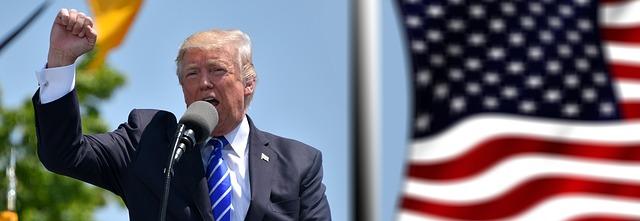
A new poll finds former president Donald Trump and GOP figure Pete Hegseth running underwater on approval among active-duty service members and veterans, with more respondents saying they disapprove than approve of each man. The survey’s results highlight a striking weakness for two high-profile conservatives who have repeatedly sought to portray themselves as champions of the military community, and could complicate efforts to solidify support in a voting bloc that campaigns often treat as reliably Republican.
Trump and Hegseth Underwater Among Active Duty Personnel and Veterans Poll Shows Trust Gap Over Leadership and Policy
A new nationwide survey of uniformed service members and veterans paints a stark picture of skepticism toward two high-profile conservative figures: Donald Trump and commentator Pete Hegseth. Among the 1,050 respondents, Trump posts an approval median of 44% with 52% expressing disapproval, while Hegseth trails at 36% approval and 57% disapproval. Respondents cited concerns about judgment in command decisions and alignment with military values, producing what pollsters called a clear trust gap on both leadership ability and policy clarity within the military community.
The split is driven less by partisan identity than by questions about competence and priorities. Key themes flagged by active-duty personnel and veterans included:
- Leadership credibility – doubts about decision-making under pressure
- Policy consistency – concern over shifting stances on national security and veterans affairs
- Civil-military norms – worry that political rhetoric undermines institutional trust
| Group | Trump | Hegseth |
|---|---|---|
| Active duty | 44% approve | 34% approve |
| Veterans | 46% approve | 38% approve |
Dissatisfaction Driven by Concerns Over VA Care Military Pay Force Readiness and Marked Divides by Branch and Combat Experience
A new poll finds rising dissatisfaction among service members and veterans, with concerns clustered around VA care, military pay and perceived lapses in force readiness. Respondents described long waits for medical appointments, pay that fails to keep pace with inflation, and anxiety about unit manning and equipment shortfalls. Those issues not only shape attitudes toward political figures but also feed broader worries about retention and recruitment across the active force and the reserves.
- Lengthy VA appointment times and benefits confusion
- Stagnant pay versus rising cost of living
- Gaps in training, maintenance, and readiness reporting
- Sharp differences in views between combat veterans and non-deployed personnel
Breakdowns by branch and combat experience are pronounced: pilots and sailors reported better access to care but greater concerns about readiness, while ground forces and recent combat veterans expressed the strongest frustration with benefits and compensation. The poll shows approval ratings skewer lower for political leaders among those with recent deployments, underscoring a generational and experiential divide that could affect policy debates on military funding and veterans’ services.
| Branch | Approval Gap vs. Public | Top Concern |
|---|---|---|
| Army | -12% | Pay & VA access |
| Navy | -8% | Readiness & maintenance |
| Air Force | -10% | Retention & compensation |
| Combat Vets | -18% | Benefits delivery |
Analysts Recommend Immediate Policy Fixes Boosted VA Funding Targeted Outreach to Service Members and Clearer Leadership Messaging to Rebuild Support
Analysts told reporters the damage shown in the poll requires immediate, targeted moves rather than broad partisan rhetoric. They urged urgent increases in VA funding to clear backlogs and restore confidence, tailored outreach programs to reach active-duty personnel and their families where they live and work, and crisper, consistent leadership messaging from both policy architects and campaign spokespeople to translate promises into measurable steps. In short, the remedy they sketched is operational: accept short-term budget tradeoffs for long-term trust gains, appoint accountable VA liaisons embedded at installations, and deploy rapid-response communications to correct misinformation and highlight wins.
To make the path forward concrete, analysts proposed a short list of prioritized actions and expected near-term effects:
- Boost VA funding: reduce appointment wait times and modernize records.
- Targeted outreach: mobile benefits teams and installation town halls.
- Clear leadership messaging: weekly progress briefings and named points of contact.
They also provided a simple snapshot table for policymakers to use as a checklist:
| Policy Fix | Short-term Effect |
|---|---|
| VA funding surge | Shorter waits |
| Installation liaisons | Higher enrollment |
| Weekly briefings | Improved credibility |
Analysts warned that without these steps, approval among service members and veterans could continue to slide, leaving elected officials with a narrowing set of options to regain trust.
The Conclusion
The poll’s findings pose a clear political challenge for both men as they vie for support among active-duty service members and veterans – a constituency that can be pivotal in tight races. Campaigns for each figure are likely to recalibrate messaging and outreach in response, while opponents will seize on the numbers to shape their narratives. Observers cautioned that individual polls are snapshots rather than destiny, and turnout, events and future surveys could shift the picture. Still, if the trend persists, it will be closely watched for what it implies about Republican outreach to military communities in the months ahead.