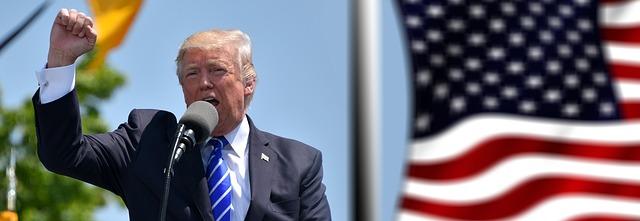
Former President Donald Trump has intensified a series of attacks directed at Abdul El-Sayed, using rhetoric that critics and civil-rights groups describe as Islamophobic. In recent weeks Trump’s public comments and social-media posts have repeatedly highlighted El-Sayed’s Muslim faith and questioned his patriotism, marking an escalation in a targeted campaign that observers say risks inflaming religious prejudice in an already polarized political environment. El-Sayed, a physician and former Detroit health official who has run for statewide office, has become a focal point in Republican messaging as the attacks draw condemnation from advocacy groups and prompt renewed debate about the role of religion in American political discourse.
Trump Ramps Up Islamophobic Attacks Against Abdul El Sayed With Coordinated Social Media Campaign and Recycled Stereotypes
In a sustained effort this week, a synchronized stream of posts, retweets and recycled tropes has targeted Abdul El‑Sayed, using a mix of thinly sourced allegations and longstanding anti‑Muslim stereotypes to shape public perception. The activity, which analysts describe as a coordinated social media campaign, blended organic posts, paid amplification and automated accounts to push a narrow narrative across multiple platforms; observers flagged a pattern of repetition, same-image assets, and hashtags pushed simultaneously from dozens of accounts. Key tactics identified included:
- Rapid reposting of doctored quotes and old photos
- Hashtag storms timed with interviews or rallies
- Paid ads amplifying fear‑based messaging
- Influencer and proxy accounts echoing the same talking points
Journalists and digital‑forensics teams note that these methods recycle familiar Islamophobic frames-portraying civic engagement as foreign allegiance and policy positions as cultural threat-rather than presenting new evidence.
Responses came swiftly: El‑Sayed condemned the campaign as a targeted attempt to stoke division, civil‑rights groups called for platform transparency, and fact‑checkers started cataloging the most viral falsehoods. Platforms implemented varying degrees of action, but watchdogs say inconsistency leaves room for continued harm; the rise in coordinated messaging has also prompted renewed discussion about disclosure rules for political ads and influencer sponsorships. A concise snapshot of the recent activity shows how pervasive the campaign was across services:
| Platform | Noted Activity | Response |
|---|---|---|
| Twitter/X | Hashtag storms, bot amplification | Labelled some posts |
| Facebook/Meta | Paid page shares | Ad removals, delayed notices |
| TikTok | Short clips repeating slogans | Limited takedowns |
| Image memes and story chains | Mixed enforcement |
- Formal complaints to platform safety teams
- Calls for congressional hearings on political ad transparency
- Independent monitoring and public rebuttals by El‑Sayed’s team
Legal analysts warn that while offensive rhetoric is often protected speech, the blend of paid promotion and deceptive tactics raises new questions about accountability and the real‑world consequences of sustained Islamophobic messaging.
Experts Trace Timeline and Political Motives as Attacks Heighten Threats to Muslim Communities and Reshape Michigan Electoral Dynamics
Analysts tracking the recent surge of attacks say the escalation is not random but a calculated campaign of vilification aimed at a high-profile progressive figure and, by extension, at vulnerable Muslim communities across the state. Officials and community leaders report a spike in harassment, threats to mosques and targeted disinformation after a sustained series of public remarks by the former president about Abdul El‑Sayed, which experts tie to efforts to fracture coalition-building in battleground areas of Michigan. Local law enforcement sources and civil-rights groups describe a pattern in which incendiary rhetoric precedes localized incidents, amplifying fear and suppressing civic participation among Muslim and allied voters.
Researchers have compiled a concise chronology showing how rhetoric, media amplification and on-the-ground incidents have interacted to reshape electoral calculations; a brief table below highlights key moments experts flagged.
| Date | Development |
|---|---|
| Spring 2026 | High-profile remarks target El‑Sayed; spike in social-media smears |
| Summer 2026 | Vandalism and threats at two mosques in Detroit suburbs |
| Fall 2026 | Polling shows shifts in swing precincts; turnout concerns rise |
Experts interviewed point to several political motives behind the strategy, including:
- Base mobilization: firing up a core constituency through cultural wedge issues;
- Coalition disruption: weakening progressive alliances that have bolstered candidates like El‑Sayed;
- Electoral calculation: shifting suburban and swing-district dynamics by stoking fear and distraction.
They warn that the consequences extend beyond a single campaign – with long-term impacts on public safety, voter engagement and the political landscape across Michigan.
Civil Rights Groups and Journalists Urge Legal Action Media Accountability and Proactive Community Protection Measures
Leading civil rights organizations and a coalition of investigative journalists are urging immediate legal scrutiny and media accountability after a sustained series of Islamophobic remarks directed at Abdul El‑Sayed. Groups including the ACLU, Muslim Advocates and watchdog reporters have publicly demanded formal inquiries, citing potential violations of anti‑harassment laws and broadcasting standards, and insisting that platforms and outlets apply their own policies consistently. Key demands from the coalition include:
- Filing ethics and defamation complaints with journalism oversight bodies
- Pursuing civil litigation where applicable
- Pressing social platforms to enforce hate‑speech and harassment rules
At the same time, community organizations and local newsrooms are organizing proactive protections: legal hotlines, rapid‑response media monitors, and coordinated fact‑checking to blunt the impact of targeted rhetoric and protect civic participation. Journalists on the ground are compiling documented timelines of statements and responses to support potential cases, while legal clinics are preparing to offer representation to those facing harassment. Below is a concise snapshot of immediate protective measures being deployed:
| Action | Lead | Timeline |
|---|---|---|
| Legal intake hotline | Local civil rights clinic | 24-48 hrs |
| Media incident tracker | Investigative reporters’ consortium | Ongoing |
| Platform policy escalation | National NGOs | 72 hrs |
Closing Remarks
As the rhetoric escalates, the episode underscores how religious identity has become a flashpoint in modern campaigns, drawing renewed scrutiny from civil-rights groups, voters and legal observers alike. Whether the attacks will alter the trajectory of the contest or invite formal complaints and investigations remains uncertain, but they have clearly intensified public debate over the boundaries of acceptable political speech.
The campaigns were offered opportunities to respond; where statements were provided they will be reflected in subsequent coverage. Journalists and watchdogs say the incident will be one to watch as the race progresses, both for its immediate electoral effects and for what it signals about broader norms in political discourse.
We will continue to monitor developments and report new statements, filings and reactions as they emerge.