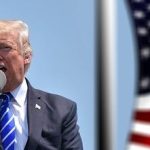
Donald Trump’s Promise to “Knock Out” Iranian Infrastructure Intensifies Risks as Negotiations Wilt
Former President Donald Trump’s recent declaration that he would “knock out” key Iranian infrastructure has injected fresh volatility into an already fragile diplomatic environment. The hard-line rhetoric – delivered as international envoys convened to try to revive stalled talks with Tehran – drew immediate condemnation from Iranian officials and calls for restraint from U.S. partners. Officials and analysts warn that such public threats complicate backchannel diplomacy and raise the prospect of rapid, unintended escalation.
Diplomatic Context: Talks on Life Support
Efforts by regional and global actors to restore a diplomatic framework with Iran have struggled to gain traction in recent months. As of April 2026, envoys from Europe, Gulf states, and the United Nations have reported limited progress on confidence-building measures, while trust between Washington and Tehran remains low. European capitals urged cooler rhetoric and renewed negotiations; Tehran characterized the threat as provocative and vowed to defend its sovereignty. Observers note that when public threats replace discreet diplomacy, negotiating space tends to shrink quickly.
What Might Be Targeted – and Why It Matters
Security analysts assess that any campaign aimed at degrading Iran’s operational capabilities would likely prioritize nodes that shape national command, logistics and economic resilience rather than isolated frontline units. Probable categories of targets include:
- Power generation and transmission networks – the backbone of daily life and industry
- Fuel storage and distribution centers – essential to civilian transport and military mobility
- Ports, terminals and maritime chokepoints – crucial for commerce and naval operations
- Military supply hubs and depot facilities – sustainment points for force projection
- Telecommunications and satellite links – enabling coordination across dispersed forces
| Target Type | Primary Effect | Escalation Risk |
|---|---|---|
| National power grid | Widespread outages; hospitals and factories affected | High |
| Fuel terminals | Transport paralysis; heating shortages | High |
| Major ports | Disruption to exports/imports; shipping reroutes | Medium-High |
| Communications hubs | Loss of emergency coordination; information blackouts | Medium |
Humanitarian and Economic Consequences
Strikes on civilian-facing infrastructure can create cascading humanitarian problems – from hospital disruptions to shortages of clean water and fuel – while also reverberating through regional and global markets. For example, roughly one-fifth of seaborne oil trade transits the Strait of Hormuz (based on 2024-25 freight estimates), so damage to port facilities or threats to shipping lanes could push energy prices and insurance premiums sharply higher. The human impact can be likened to shutting off a city’s utilities during a winter storm: critical services falter, vulnerable populations suffer, and relief becomes more difficult.
Escalation Pathways and Proxy Dynamics
Analysts emphasize that miscalculation is a central danger. An attack perceived as originating from the United States – or from allied forces – could produce asymmetric responses by Iranian-backed groups across the region, especially in Iraq, Syria, Lebanon and Yemen. Such responses can involve targeted strikes on partner forces, increased assistance to proxy militias, or attempts to disrupt maritime traffic. Misattribution, deliberate or accidental, frequently shortens the timeline between an initial strike and a broader confrontation.
Policy Options: Balancing Pressure with Practical Safeguards
Policy specialists recommend a layered approach that combines calibrated pressure with diplomatic openings and robust protective measures. Key options include:
- Intensive multilateral diplomacy – reconvening a unified negotiating forum with European partners, Gulf states and U.N. mediators to restore confidence-building steps
- Precisely targeted economic measures – sanctions focused on leadership networks and weapons procurement channels designed to limit civilian fallout
- Stronger defensive postures – missile defense enhancements and increased naval escorts to deter attacks on commercial shipping
- Humanitarian safeguards – explicit exemptions and independent monitoring to ensure aid flows reach civilians even as pressure is maintained
- Enhanced intelligence-sharing – transparent mechanisms among allies to reduce misperception and improve attribution
| Phase | Recommended Actions |
|---|---|
| Immediate | Escorts for commercial vessels, sanctions on identifiable weapons networks, open humanitarian corridors |
| Medium-term | Joint air/missile defenses, cyber-resilience programs for critical infrastructure, independent monitors for sanctions compliance |
| Long-term | Negotiated frameworks tying sanctions relief to verifiable steps; regional security dialogues including Gulf states |
Communications, Credibility and the Negotiating Environment
Consistent, transparent messaging from Washington and its partners is critical to prevent misinterpretation that could precipitate escalation. Public threats, while intended to demonstrate resolve, can undermine covert diplomacy and incentivize hardline postures in Tehran. A credible pathway back to talks will likely require discreet channels that can operate without dramatic public pronouncements while visible steps reassure vulnerable states and markets.
Conclusion: Watchfulness and Diplomacy Remain Vital
Donald Trump’s vow to “knock out” Iranian infrastructure crystallizes how precarious the current moment is for U.S.-Iran relations. With specifics of any military plan unclear and mutual distrust entrenched, the danger of a spiraling confrontation is tangible. The coming weeks will be decisive: whether diplomatic backchannels can be reactivated, whether allies keep pressure coordinated and measured, and whether safeguards for civilians and commerce are strengthened will determine if the standoff deepens or recedes.