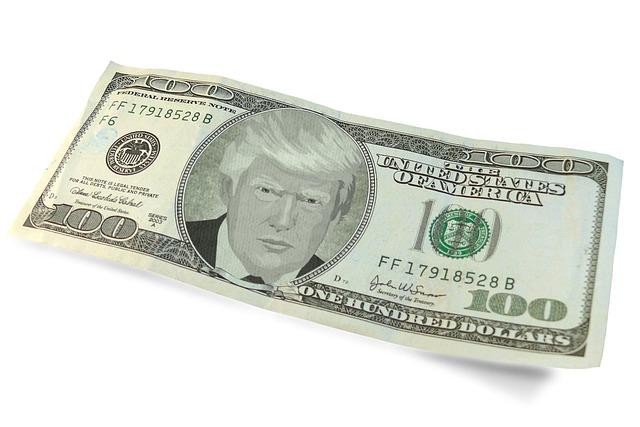
When Donald Trump turned a sustained fire of tariffs and public scorn toward Canada, Washington framed the campaign in familiar economic language – deficits, protection for U.S. workers, and bargaining for better deals. But diplomats, trade experts and former administration officials say the moves have little to do with numbers on a balance sheet. Instead, they argue, the U.S. president’s hostility toward a close ally is driven by broader geopolitical calculations: to reshape alliances, exert leverage across the hemisphere and signal toughness in a shifting global order.
The crescendo of measures – from steel and aluminum levies to renewed battles over softwood lumber and auto rules – has often been justified on national-security grounds or through populist appeals. Yet the pattern, observers say, points to a strategy that weaponizes trade to achieve political aims: to punish perceived disloyalty, to test the resilience of integrated supply chains, and to extract concessions that serve U.S. strategic interests rather than purely commercial ones.
This article will examine the evidence behind that argument: the timing and targets of recent U.S. trade actions, statements from key policymakers, and the responses from Ottawa and allied capitals. It will also consider the risks for North American integration and whether economic cost-benefit calculations can explain a campaign that, to critics, appears more about power and posture than profit.
Trump’s trade hostility toward Canada driven by geopolitical aims, not economic logic
Across multiple policy moves – from tariffs on steel and aluminum to threats against automotive supply chains – the pattern is clearer than a simple trade dispute: Washington is deploying commercial tools to reshape political alignments. Observers note that these measures have little grounding in economic efficiency; instead they serve as leverage to extract strategic concessions, signal resolve to allies and rivals, and reconfigure North American energy and defense relationships in ways that favor broader U.S. geopolitical aims. Trade instruments, in this reading, function as extensions of diplomacy and national security policy rather than corrective market interventions.
That strategy produces predictable outcomes: short-term pain for bilateral commerce, long negotiations, and heightened political pressure on Ottawa to accommodate wider U.S. priorities. Analysts point to a consistent set of objectives embedded in the tactics:
- Energy security: securing pipeline and export terms advantageously for the U.S.
- Supply-chain control: reorienting manufacturing and sourcing toward politically reliable partners.
- Alliance leverage: using trade threats to influence defense and diplomatic commitments.
- Domestic signaling: appealing to voter bases by projecting strength against perceived foreign advantages.
| Aim | Tactic |
|---|---|
| Energy dominance | Tariff threats, pipeline pressure |
| Manufacturing reshoring | Auto rule changes, content requirements |
| Strategic alignment | Trade leverage tied to defense spending |
Strategic objectives include pressuring allies for defence cost sharing, securing energy corridors and reshaping supply chains to curb China’s influence
Washington’s recent economic gestures toward Ottawa read less like market corrections than like diplomatic leverage. Officials and outside analysts argue the measures are calibrated to extract political concessions – notably a steeper share of defence spending from partners – by turning trade restrictions into blunt bargaining chips. Administration rhetoric and policy moves have signalled a preference for using tariffs, procurement rules and regulatory pressure to reshape alliance behaviour rather than relying solely on multilateral security frameworks.
Beyond alliance finances, policymakers are pursuing a broader reorientation of North American ties to secure critical flows of energy and goods and to blunt Beijing’s reach. Observers point to a toolkit that mixes commercial policy with strategic investment controls and new infrastructure incentives:
- Tariff and quota threats used as leverage in trilateral talks.
- Investment screening to limit foreign access to key technologies and resources.
- Export controls aimed at dual‑use goods and critical minerals.
- Targeted energy deals to diversify corridors and boost allied suppliers.
The net effect is to recast trade frictions as instruments of statecraft – a deliberate strategy to force closer economic alignment with the United States and to erect commercial barriers to China’s influence.
Canada urged to mount coordinated diplomacy, diversify export markets, pursue measured tariff reciprocity and deepen North American defence integration
Foreign-affairs analysts and industry lobbyists are urging Ottawa to respond with a calibrated mix of diplomacy and market strategy – not knee‑jerk economic retaliation. They advocate a playbook that combines coordinated diplomatic pressure, diversified export routes, and measured tariff reciprocity to avoid handing Washington a propaganda victory while protecting Canadian jobs.
- Pivot to Asia‑Pacific and deepen ties with the EU and Pacific Alliance
- Build coalitions with like‑minded allies on trade norms and dispute resolution
- Retain targeted, reversible tariff measures as a contingency
Experts also urge accelerating defence integration with North American partners as a strategic hedge: closer military interoperability and shared logistics reduce the leverage of economic coercion. A short assessment table circulated among senior officials framed priorities succinctly:
| Measure | Near‑term priority |
|---|---|
| Diversify export markets | Medium |
| Measured tariff reciprocity | High |
| Deeper defence integration | High |
Policymakers say the mix of diplomatic coordination, trade realignment and enhanced defence ties – not purely economic tools – will best safeguard Canada’s strategic interests.
Final Thoughts
Taken together, analysts say, the pattern of measures and rhetoric suggests that strategic considerations – from energy and supply-chain leverage to broader competition with allies perceived as insufficiently aligned with Washington’s geopolitical priorities – have played a large role in shaping the administration’s posture toward Canada. That reading helps explain actions that often run counter to standard economic logic and complicates the long-standing blend of commercial integration and security cooperation between the two countries.
For Ottawa, the challenge is pragmatic: preserve cross-border trade and critical supply lines while hedging against decisions driven more by strategic signaling than market realities. For businesses and investors, the uncertainty reinforces the need for contingency planning and diversification; for policymakers, it raises questions about the resilience of institutional frameworks meant to manage disputes among close allies.
What happens next – whether trade tensions ease as political pressures shift, or whether they harden into a sustained arena of strategic competition – will be a key barometer of the evolving Canada-U.S. relationship. Observers will be watching tariffs, negotiation postures, and campaign rhetoric for signs of whether geopolitics will continue to trump economics at the border.