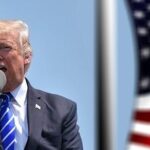
Donald Trump’s Short Beijing Visit: No Major Deals, But a Strategic Cooling
Donald Trump’s tightly choreographed trip to Beijing concluded without the sweeping trade or technology accords some supporters had touted. Instead of transformational bargains, the White House returned with a far narrower outcome: the trip reduced the immediate risk of confrontation and prevented a market panic that could have followed a diplomatic rupture. In short, the visit bought breathing room-but not solutions.
Immediate Takeaways: Containment Over Concession
Officials portrayed the visit as a narrowly successful exercise in crisis management. Behind closed doors, diplomats and military officials reached modest understandings-chiefly the reestablishment of direct military communication and an agreement to avoid provocative moves in contested areas. What was conspicuously absent were headline trade deals, tariff rollbacks or the loosening of export controls on advanced technologies.
- No comprehensive trade agreement or tariff relief
- Reaffirmed defense-to-defense hotlines and deconfliction protocols
- Short-term calm coupled with persistent strategic ambiguity
How Markets Reacted
Financial markets initially wobbed on nervousness about geopolitical fallout before recalibrating as investors internalized the lowered probability of immediate hostilities. The intraday swings were noticeable but short-lived-enough to create headlines, not sustained sell-offs. Recent intraday moves included:
| Indicator | 24‑Hour Move (example) |
|---|---|
| S&P 500 (intraday) | -0.8% → +0.4% close |
| Shanghai Composite | -1.2% |
| USD/CNY | +0.5% |
| VIX (volatility) | +3 pts → eased |
Market stability now depends more on steady communication and confidence-building than on a single diplomatic triumph. Central banks, sovereign wealth funds and large institutional investors are likely to keep policy risk priced in until they see durable, verifiable steps that reduce the chance of renewed escalation.
Trade and Technology: Fault Lines Remain
Despite public smiles and careful photo-ops, core disagreements over tariffs and tech controls stayed intact. Negotiators agreed to technical working groups and small-scale cooperation-such as streamlined consular procedures and limited aviation understandings-but left major instruments of economic pressure untouched. Export controls on advanced semiconductors and related equipment remain in place, and tariff barriers saw no immediate rollback.
This outcome reflects a deliberate preference for “managed ambiguity”: both sides signaled a desire to lower the temperature while leaving strategic levers-industrial policy, national-security restrictions and selective tariffs-available for the future. Two-way goods trade has hovered near $700 billion annually in recent years, underscoring the economic interdependence that makes outright decoupling costly, yet the political incentives on both sides keep substantive liberalization difficult.
| Issue | Near-term Projection |
|---|---|
| Semiconductor export controls | Remain tight; selective carve-outs possible for non-advanced nodes |
| Tariffs and market access | Minimal movement without phased, verifiable steps |
| Communication channels | Expanded but contingent on behavior |
Blueprint to Turn a Pause into Progress
If both governments wish to convert this tactical cooling into sustainable détente, they must shift from goodwill gestures to a structured, verifiable process. A pragmatic framework would tie incremental tariff adjustments and licensing changes to concrete milestones monitored by independent experts.
Key elements of a workable plan:
- Phased tariff adjustments announced with quantitative targets and public progress reports;
- Harmonized export-control criteria for dual-use technologies with transparent licensing timelines and reciprocity where possible;
- Independent verification through an impartial Bilateral Verification Unit composed of government and third-party technical specialists;
- Snapback provisions-predefined triggers to reimpose restrictions if violations occur;
- Protected corridors for critical supply chains (medical supplies, basic-node semiconductors for infrastructure) to reduce humanitarian and systemic risk.
Suggested Phased Roadmap
| Phase | Timeline | Primary Deliverable |
|---|---|---|
| 1 | 0-3 months | Reestablish hotlines; stand up verification unit |
| 2 | 3-9 months | Pilot tariff relief on select goods; initial export licensing reciprocity |
| 3 | 9-18 months | Broader phased reductions; permanent risk-reduction center operational |
Military Confidence-Building: Practical Measures to Prevent Miscalculation
Preventing dangerous encounters at sea and in the air should be prioritized. Concrete steps would include reestablishing cross‑service hotlines, codifying encounter rules for naval and air operations, and creating a secure, always-on center for real-time deconfliction. Regular joint crisis simulations-similar to fire drills for governments-would reduce the chance that an accidental incident spirals into a strategic crisis.
- 24/7 military-to-military hotlines and protocols
- Formalized rules of engagement for air and maritime encounters
- Permanent risk-reduction center with secure communications
- Quarterly public summaries of incidents and near-misses to build transparency
Political Realities and the Road Ahead
Domestic politics will shape how far either side can go. For Donald Trump, the trip can be framed as a diplomatic success if he markets the avoidance of conflict as a win; for Beijing, preserving stability without ceding core technology and industrial-policy priorities is politically convenient. Ultimately, the trip’s significance will be judged not by podium statements but by follow-through-whether working groups deliver measurable outcomes and whether verification mechanisms prevent backsliding.
Conclusion: A Tactical Win, Not a Strategic Reset
The Beijing visit defused the most acute risks: there was no public confrontation, no major market rout, and no immediate breakdown in diplomatic exchanges. That is a meaningful, if limited, achievement. But unless the temporary truce is converted into phased, verifiable agreements and backed by independent monitoring, the arrangement is likely to remain a fragile pause-effective at preventing crises in the near term, but insufficient to resolve the deep economic and technological competition that remains.