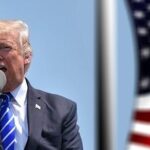
Headline: Trump Announces End to U.S. Naval Blockade on Iran, Shifting Focus to Diplomatic and Economic Pressure
Summary
Former President Donald Trump declared that the United States will discontinue its naval blockade on Iran, signaling a change in America’s maritime posture in the Persian Gulf. The proposal reframes U.S. strategy away from direct, constant blockade operations and toward diplomatic, legal and financial instruments intended to preserve leverage while reducing the immediate risk of sea-based incidents. Details about timing, legal authority and operational handoffs were sparse, and neither Pentagon nor allied officials had issued formal statements at the time of the announcement.
What the shift entails
– Naval posture: Ships and task groups that had been assigned to aggressive containment and interception missions are to be reassigned to routine patrols, convoy escorts and presence operations designed to protect commercial traffic and reassure regional partners.
– Tools of statecraft: The administration framed the move as a reallocation of emphasis from kinetic deterrence to sanctions, multilateral diplomacy, and coordination with partners and international institutions.
– Expected effect on shipping: Short-term reductions in surface confrontations are likely, but the degree of safe passage for merchant vessels will depend on accompanying measures – notably enforcement of sanctions and cooperative patrols.
Initial reactions
Responses to the announcement were mixed. Tehran framed the change as tactical posturing that does not remove core disagreements over Iran’s nuclear activities and regional behavior. Several U.S. partners welcomed the prospect of fewer close-in naval confrontations but requested clarity about sanctions timelines, legal authorities and negotiation tracks. Independent analysts cautioned that lowering the tempo at sea can reduce the chance of accidental clashes while shifting the competitive arena to diplomacy, finance and law – sectors where coordination, enforcement and political will will be decisive.
Maritime security realities in the Gulf
Persistent structural gaps
Security specialists monitoring the Gulf note that removing a dominant U.S. blockade posture will not erase long-standing vulnerabilities. Key concerns include:
– Gaps in sensor coverage and maritime domain awareness across choke points and littoral approaches;
– Legal and command overlaps that create ambiguity about who responds to incidents and under what rules of engagement;
– Exposure to asymmetric tactics – small-boat swarm attacks, improvised explosive devices, and unmanned aerial or surface systems that can bypass traditional defenses.
Context and scale: strategic chokepoints such as the Strait of Hormuz remain vital – historically nearly one-fifth of global seaborne petroleum has transited the strait – so any security lapse can have outsized commercial and political consequences. Since the late 2010s there have been numerous reported attacks, seizures and close encounters involving commercial and naval vessels in the region, underscoring the sensitivity of the maritime environment.
Operational risk trade-offs
Analysts argue the likely outcome is lower kinetic risk at sea but a heightened contest in diplomatic, financial and legal arenas. That means state and private actors may pursue sanctions-busting, covert interdictions, or legal challenges rather than open naval blockades. Without compensating measures among allies, a reduced U.S. presence could create opportunities for miscalculation or third-party provocations that rapidly escalate.
Practical steps experts recommend
To offset the risks associated with a transition away from blockade operations, security practitioners are urging a package of concerted measures focused on allied interoperability and rapid information exchange:
1) Strengthen coalition patrols and shared ISR
– Pool intelligence, surveillance and reconnaissance assets to close sensor blind spots and provide persistent coverage of key sea lines of communication.
– Standardize patrol lanes and rotations among willing regional navies and partners to create predictable, overlapping presence.
2) Create reliable deconfliction and crisis channels
– Establish a 24/7 deconfliction hotline and agreed protocols for immediate contact between naval commanders, coast guards and merchant operators to reduce the risk of miscommunication.
– Adopt common rules of engagement or incident-response templates so regional actors understand thresholds for escalation.
3) Harden sanctions enforcement and financial interdiction
– Stand up a sanctions-compliance cell that coordinates asset-tracking, customs screening and interdiction operations across coalition finance and law-enforcement agencies.
– Use targeted financial measures paired with transparent legal processes to increase the cost of malign maritime activity without resorting to broad military action.
4) Build partner capacity
– Accelerate training and equipment programs for Gulf coast guards and navies: boarding teams, port-inspection capabilities, encrypted communications and small-vessel defenses.
– Fund maritime domain-awareness initiatives and regional exercises that rehearse contingency scenarios, from harassment of merchant ships to large-scale closure of choke points.
A near-term operational roadmap
Experts and former officials propose concrete milestones that can be pursued rapidly to make the posture change safe and sustainable:
– Within 30 days: Activate a coalition ISR tasking cell and agree on initial deconfliction procedures.
– Within 60-90 days: Standardize patrol lanes and begin joint patrol sorties; create a sanctions compliance coordination team.
– Within 6 months: Deliver shipborne and shore-based capacity-building packages to regional partners and conduct large-scale contingency drills.
Analogous examples
Policymakers point to past transitions from heavy-handed maritime surveillance to shared regional approaches in other theaters – for example, where offshore interdiction was reduced after a diplomatic shift, replaced by coordinated coast guard operations, combined intelligence centers and joint legal enforcement. Those precedents show that success depends less on unilateral withdrawal and more on how quickly partners synchronize their capabilities and authorities.
Policy implications and oversight
Legal and political oversight will matter. Congress and allied parliaments are likely to demand briefings on the legal basis for any operational changes, risk assessments, and how sanctions and diplomacy will be sequenced. Clear transparency around conditions for re-escalation, metrics for success, and costs of capacity-building will be critical to sustain a durable strategy that reduces maritime incidents without ceding leverage over Iran’s behavior.
What to watch next
– Official guidance from the Department of Defense and State Department on timelines and rules of engagement;
– Steps taken by regional navies, coast guards and multilateral organizations to implement pooled ISR and deconfliction mechanisms;
– The degree to which sanctions enforcement and financial interdiction are ramped up in coordination with allies;
– Any immediate changes in commercial shipping patterns, insurance premiums or reports to maritime reporting centers such as UKMTO.
Conclusion
Trump’s declaration marks a potential pivot in U.S. strategy in the Gulf – moving from a visible naval blockade posture to a strategy that favors diplomacy, sanctions and allied burden-sharing at sea. Whether that recalibration reduces the risk of maritime escalation or simply shifts the competition to other arenas will depend on how rapidly and effectively partners close surveillance gaps, synchronize rules and enforce financial penalties. Robust, transparent multilateral action and detailed oversight are likely to determine whether the shift improves maritime security or leaves new vulnerabilities exposed.