Trump’s Birthday Message Mixes a Wish for “Peace for the World” with a Promise to Keep “Attacking Iran Very Hard”
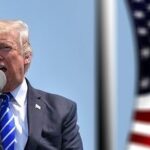
As he nears his 80th birthday, former President Donald Trump posted a message that combined an appeal for global calm with a renewed vow of force toward Tehran. In a Facebook post this week he expressed a hope for “peace for the world” but immediately qualified that sentiment by declaring he would persist in “attacking Iran very hard.” The contrast – a conciliatory sentiment followed by an uncompromising pledge – has sharpened debate about how rhetorical posture and policy tools interact in Washington and across U.S. partners in the Middle East.
Birthday Message and Hard-Line Tone: What Trump Said and Why It Matters
Trump’s dual message – a public-facing wish for worldwide peace bundled with an insistence on continued pressure against Iran – speaks to a strategy of signaling both restraint and strength. He did not outline specific actions tied to his promise, leaving open whether future pressure would center on tighter sanctions, kinetic activity, cyber operations, or intensified regional military posture. The ambiguity has already drawn responses from allies, critics and regional analysts who worry about the implications for diplomacy and stability.
Policy levers referenced or implied
- Economic sanctions and secondary financial measures aimed at constraining Tehran’s revenue streams.
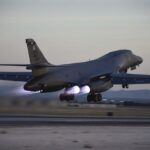
- Heightened military vigilance, including increased patrols, overflights and forward force postures.
- Coordinated diplomatic efforts to isolate Iran in multilateral fora.
Escalation Risks: How Tough Talk Can Fuel Unintended Consequences
Security experts caution that repeated public pledges to intensify pressure on Iran can normalize confrontational behavior and reduce the space for quiet diplomacy. In fragile regional settings, aggressive rhetoric increases the danger of miscalculation by state and non‑state actors – from direct exchanges to proxy responses – that can rapidly spiral beyond control.
Key flashpoints analysts highlight include:
- Threats to commercial shipping in the Persian Gulf and Red Sea, which have historically disrupted global trade and energy supplies.
- Escalatory attacks carried out by Iran-affiliated militias in Iraq, Lebanon and Yemen that can draw in regional and international forces.
- Civilian harm from drone and missile exchanges that can fuel domestic and international outrage.
- Cyberattacks on civilian infrastructure that could cause indirect but significant economic and social disruption.
Beyond battlefield concerns, political ramifications are serious: public belligerence risks fracturing coalitions as European and Gulf partners balance security cooperation against domestic political pressures and reputational costs. Recent episodes – such as Houthi strikes on commercial vessels in 2021-2022 and repeated confrontations in the Gulf – illustrate how localized incidents can ripple into wider commercial and diplomatic consequences.
Immediate Steps Experts Urge to Reduce Tension
Former negotiators, regional specialists and current diplomats argue that de‑escalation measures must accompany any credible deterrent strategy. Their recommended package typically focuses on restoring reliable lines of communication, enhancing multilateral verification, and coordinating defensive postures so that deterrence does not morph into inadvertent escalation.
Priority actions
- Reopen direct channels: emergency hotlines and regular diplomatic contacts to clarify incidents and intentions in real time.
- Strengthen independent oversight: expand IAEA-style inspection mandates and explore joint verification missions to build transparency.
- Coordinate defensive deployments: shared early‑warning capabilities, joint rules of engagement and defensive patrols with Gulf partners.
- Keep incentives conditional: present phased diplomatic or economic offerings tied to verifiable Iranian steps rather than one‑sided concessions.
Practical Tools to Stabilize the Situation
| Tool | Primary purpose |
|---|---|
| Senior-to-senior hotlines | Rapid incident clarification and crisis management |
| Expanded IAEA or multilateral missions | Independent verification and public reporting to reduce mistrust |
| Shared airborne surveillance (AWACS-style cooperation) | Common situational awareness to prevent misidentification |
| Targeted defensive deployments | Deterrence calibrated to avoid signals that invite escalation |
Experts emphasize that these tools are not substitutes for a broader political strategy. Effective risk reduction combines technical safeguards with reciprocal, measurable steps that preserve options while lowering incentives for provocative action.
Allied Reactions and Economic Sensitivities
Washington’s partners have signaled mixed reactions. Some Gulf states and Israel have historically trusted strong U.S. deterrence; others, including many European capitals, have pushed for de‑escalatory diplomacy to avoid market shocks and humanitarian fallout. Energy markets remain sensitive to Gulf tensions: even limited military incidents can trigger spikes in shipping insurance and increased volatility in oil and gas futures, affecting global consumers and exporters.
What to Watch Next
- Concrete policy moves: look for specific sanctions, naval deployments, or military orders that would turn rhetoric into action.
- Diplomatic signals: are back‑channel contacts reopened? Are regional partners being briefed and consulted?
- Incidents at sea or along shared borders that could serve as catalysts for escalation.
- IAEA and international reporting on Iran’s nuclear and missile activities – independent data will shape international responses.
Conclusion
Trump’s pairing of a birthday wish for “peace for the world” with an assertion that he will keep “attacking Iran very hard” underscores a persistent tension in contemporary U.S. foreign-policy debate: how to combine deterrence and accountability with meaningful steps to avoid war. The week’s post left important details unspecified, prompting calls from diplomats and analysts for clearer strategy and urgent de‑escalation measures. Observers in Washington and allied capitals will be watching for whether words translate into coordinated policy actions – or whether the rhetoric itself becomes a driver of instability.