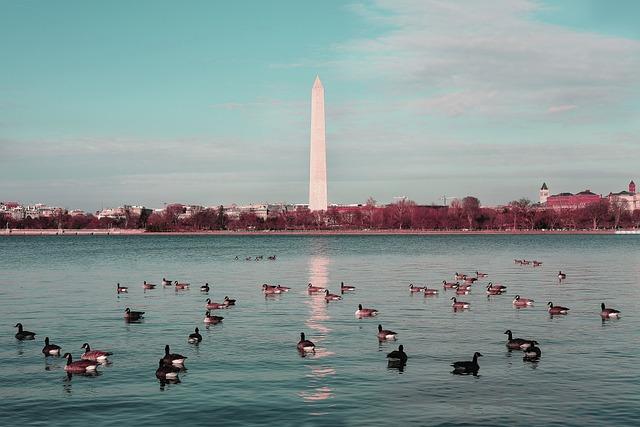
A Viral Fix Failed – What Lies Beneath the Drained Reflecting Pool
A popular DIY video host who built an online following by rescuing backyard pools recently visited the drained reflecting pool and acknowledged what engineers have long warned: there is no shortcut or spectacle that will restore the basin to working order. What looks like surface staining and low water levels is likely the visible portion of far more complex problems – buried leaks, corroded structure and hydraulic systems that were not designed for today’s standards. The influencer’s candid admission crystallized public frustration while underscoring a technical reality: social-media savvy cannot replace methodical investigation, preservation review and engineered repair.
What inspectors and consultants are seeing – and not seeing
Site visits by city engineers and independent specialists pointed to numerous signs of distress at the pool but also highlighted critical unknowns that only deeper diagnostics can resolve. Visible issues – cracked concrete edges, staining and fluctuating water – are useful clues but cannot replace intrusive testing. Experts say the following diagnostic steps are essential before any permanent plan is adopted:
- Core borings to sample concrete and subsurface strata.
- CCTV inspection of buried drains, conduits and shafts.
- Temporary dewatering to expose foundations and concealed assemblies.
- Materials testing for rebar corrosion and masonry condition.
Without those measures, any repair scope or budget remains provisional. Preservation rules that limit invasive work at historic sites further complicate the process, meaning authorized testing may require additional review and mitigation measures.
Five hidden problem areas that drive complexity
Engineers distilled the most consequential uncertainties into five interrelated categories. Each has immediate operational consequences and potential long-term cost implications:
- Subsurface leakage: Unknown leak locations can force continuous pumping, wash out supporting soils and undermine slabs.
- Legacy and undocumented drains: Abandoned overflows, old culverts and modern tie‑ins create an unpredictable hydraulic network that complicates sequencing of repairs.
- Foundation and subgrade conditions: Historic fills, voids or differential settlement beneath the basin may require geotechnical remediation and structural strengthening.
- Material deterioration: Corroded steel, delaminated concrete and hidden masonry failures alter the choice of repair techniques and can introduce long lead times for custom repairs.
- Preservation and permitting limits: Restrictions on invasive work for historic properties can delay answers and increase contingency costs.
Think of it like an iceberg: the visible damage is only a fraction of the risk. Addressing the submerged problems demands specialized testing that will reveal the true scale of intervention required.
Why a simple pump swap won’t do
City engineers emphasize that the challenges are mechanical and structural, not purely cosmetic. Inspectors have reported notable metal corrosion in embedded anchors and splice plates, and soil loss under the basin that produces uneven slabs and hairline fissures. Compounding those issues, the existing pumping and filtration equipment – installed decades ago – lacks both the capacity and redundancy expected under current practice. As a result, the team listed three immediate technical barriers to refilling the pool safely:
- Deep‑seated corrosion of anchors and connections.
- Differential settlement and possible voids in the subgrade.
- Undersized, unreliable pumping and filtration infrastructure.
Temporary measures such as bypass pumps or spot patching may reduce immediate risks but are likely to be stopgaps. Long‑term stabilization typically requires excavation, geotechnical remediation and replacement or rehabilitation of structural elements – tasks that are time‑consuming and expensive.
A pragmatic roadmap and budgetary frame
Engineers recommend a phased approach that begins with thorough diagnostics and moves to targeted remediation and system upgrades. Key phases include:
- Diagnostic phase: Independent structural and geotechnical surveys, core sampling and CCTV mapping of hidden drains (estimated timeframe: 4-6 weeks).
- Design phase: Engineering for structural repairs, pump and filtration upgrades, and drainage reconfiguration to handle peak flows and storm events.
- Remediation and installation: Excavation and geotechnical fixes, replacement or rehabilitation of corroded anchors and joints, and installation of a modern, redundant pumping and filtration system.
Preliminary cost ranges offered by consultants – subject to change once diagnostic results are in – include:
- Structural and geotechnical survey: roughly $50,000-$100,000.
- Filtration and drainage redesign with equipment upgrades: on the order of $800,000-$1.8 million.
- Emergency stabilization and temporary shoring: approximately $150,000-$350,000.
These are working estimates. Experts warn that unknown subsurface conditions uncovered during investigation can increase budgets and extend timelines. Attempting a rapid rewatering without these steps risks accelerating deterioration and driving final costs higher.
Environmental, operational and regulatory considerations
Repair planning must account for hydraulic realities and environmental factors. The basin’s drainage ties into broader stormwater systems, and an inadequate filtration or overflow design can lead to turbidity, scouring and pollution during heavy rains – problems that are becoming more frequent as urban storms intensify. Any rehabilitation will therefore need to balance:
- Peak runoff capacity and storm resiliency.
- Historic‑preservation mandates that limit intrusive alteration.
- Permitting and environmental review, which can add weeks or months to project schedules.
- Public safety and access restrictions while work and testing are underway.
Action items public officials are urged to take now
Local leaders and public-works managers face immediate choices to prevent further damage and to set a path toward durable repair. Experts recommend:
- Commissioning an independent structural and geotechnical assessment with clear deliverables and public reporting.
- Planning a filtration and drainage redesign that accommodates modern storm loads and reduces long‑term maintenance risk.
- Establishing an emergency stabilization fund and fast‑tracked contracting mechanisms for critical short‑term work.
- Temporarily restricting public access with secure fencing and clear signage until safety risks are mitigated.
What visitors and residents should expect
For now, the reflecting pool remains out of service and under evaluation. The site attracts millions of visitors annually, and its appearance and accessibility carry symbolic as well as practical importance. Given the technical uncertainty, officials have not announced a firm timeline for reopening. Realistic expectations are for weeks to months of study and preparatory work, followed by phased repair activity. Cosmetic cleaning alone will not suffice; decisions taken now will determine both the time to return and the ultimate cost.
A cautionary close: spectacle versus stewardship
The episode highlights a broader lesson about public infrastructure: high‑visibility problems invite rapid public scrutiny and sometimes quick online remedies, but durable solutions require engineering rigor, transparent procurement and appropriate funding. Viral attention can accelerate awareness but cannot replace the fieldwork, testing and regulatory coordination necessary to protect a historic asset.
Officials say they will release updates as survey results and design decisions are finalized. Reporters and the public can expect periodic briefings that outline findings, budgets and schedules once the investigative phase is complete.