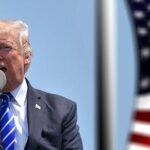
Washington – Critics and foreign-policy analysts say Donald Trump’s posture toward Iran has taken on an increasingly urgent and uncompromising cast, marked by sharper rhetoric, tougher economic measures and a willingness to consider military options that some describe as last-resort gambits. What supporters call pressure designed to extract concessions, opponents warn looks more like a strategy born of political strain – a campaign to achieve immediate results rather than a sustainable diplomatic framework.
The shift, they say, is visible not only in public speeches and social-media blasts but in a pattern of policy choices: intensified sanctions, tougher enforcement against Iranian proxies, and an erosion of the levers of quiet diplomacy that previously kept escalation in check. Former officials and regional experts caution that the combination of heightened threats and shrinking room for negotiation raises the risk of miscalculation at a moment of already-fraught tensions.
As Washington and Tehran spar over nuclear ambitions, regional influence and maritime security, the question now is whether this posture will compel a rapid concession from Iran or push both sides toward a confrontation that could spiral beyond their control.
Trump escalates rhetoric and military posturing toward Iran, experts warn of miscalculation and call for an immediate diplomatic backchannel and clear legal authorization for any strikes
U.S. public posturing and a sharper tone from the president toward Tehran have jolted former diplomats and national security analysts, who warn that the administration’s mix of threats and visible force posture risks rapid miscalculation. Over the past week, officials flagged increased movements of carrier strike groups and pre-positioning of munitions in the region while rhetoric escalated in public addresses and social feeds. Experts argue that such signaling, absent clear contingency planning and legal authority, can create a feedback loop in which each side misreads the other’s intent – raising the prospect not of calibrated pressure but of a fast-moving spiral toward armed conflict.
Voices across the security community are now demanding concrete steps to reduce the risk:
- Establish an immediate, discreet diplomatic backchannel to de‑conflict on-the-ground incidents and clarify red lines;
- Secure explicit legal authorization from Congress before any kinetic strikes to ensure accountability and proportionality;
- De-escalate visible military posturing and return to multilateral coordination with allies.
Many analysts say these measures are not a retreat but necessary safeguards to prevent a single misinterpreted move from triggering a broader war.
| Risk | Potential Outcome |
|---|---|
| Misread patrols | Localized clash → rapid escalation |
| Unauthorized strike | Domestic and international fallout |
| Backchannel established | Incident containment |
Electoral politics and hawkish advisers drive a tougher Iran strategy, prompting calls for enhanced congressional oversight and coordinated allied consultation to prevent unilateral action
Electoral dynamics and a coterie of hawkish advisers are reshaping policy discussions on Iran inside the administration, prompting an escalation in rhetoric and a readiness to consider kinetic options that senior White House aides argue will play well to a restive base. Critics in Congress warn that this convergence of political calculus and militaristic counsel risks sidelining careful diplomatic planning, and multiple lawmakers have publicly demanded clear statutory authority and pre-authorization briefings before any strike-level decisions are taken.
- Advisers: increased role for national security aides advocating hardline measures
- Timing: moves driven by the electoral calendar rather than strategic milestones
- Consequences: higher risk of miscalculation and rapid escalation
In response, bipartisan voices in both chambers are calling for enhanced congressional oversight and immediate coordination with NATO and regional allies to prevent unilateral U.S. action that could trigger wider conflict. Lawmakers are pressing for formal mechanisms – some proposed as short, enforceable reporting requirements to the Intelligence and Armed Services Committees – while foreign capitals urge a consultative approach that blends diplomacy, intelligence-sharing and calibrated sanctions.
- Oversight measures: mandatory 72-hour notification windows; congressional authorizations of limited scope
- Allied consultation: joint councils, shared contingency planning
- Risk mitigation: phased responses with clear exit criteria
Sanctions and covert pressure show diminishing returns, analysts recommend pivoting to multilateral diplomacy with targeted relief tied to stringent inspections and verification mechanisms
Senior analysts and former officials say the administration’s reliance on punitive measures and covert actions has produced limited strategic gains and growing costs. Intelligence assessments, commercial trade data and diplomatic reporting point to increasingly sophisticated evasion by Tehran, rising collateral damage across the region and a narrowing window for unilateral leverage. Sources describe a mix of outcomes: short-term disruption of targeted programs offset by greater resilience in the adversary’s procurement networks, diplomatic isolation from key partners, and shrinking domestic patience for fiscal and political fallout.
Their prescription is a decisive reorientation toward a coordinated diplomatic campaign that pairs calibrated relief with enforceable compliance mechanisms. Recommended elements include:
- Coalition diplomacy with European, Gulf and UN stakeholders to share burden and legitimacy
- Phased incentives that are reversible and contingent on verifiable steps
- Robust verification modeled on IAEA protocols, with snap inspections and real-time monitoring
| Tool | Current Impact | Recommended Shift |
|---|---|---|
| Unilateral sanctions | Short-term pressure | Targeted, reversible relief |
| Covert pressure | Disruption + blowback | Transparency + multilateral oversight |
| Diplomatic isolation | Fractured alliances | Coalition-driven negotiations |
The Conclusion
As questions mount about motive and method, Mr. Trump’s escalating posture toward Tehran has put policymakers, allies and lawmakers on edge. With options ranging from tighter economic pressure to covert or kinetic measures, advisers and critics are sharply divided over whether further escalation would coerce Iran or risk a wider regional conflagration. Domestic political pressures – including his legal challenges and electoral calculations – are now intertwined with foreign-policy decisions, magnifying the stakes of each move. In the weeks ahead, diplomats and commanders on both sides will watch closely; how Washington and Tehran respond will help determine whether tensions de-escalate or push the region toward a more dangerous chapter.