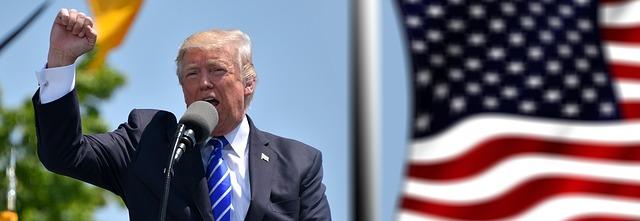
Former President Donald Trump escalated his attacks on Abdul El‑Sayed on Tuesday, calling the physician and former Detroit public‑health director “a jihadist” – a characterization critics denounced as overtly Islamophobic. The remark, one of the sharpest in a steady stream of attacks on the Muslim progressive, intensified a broader debate over the tone of political discourse and the role of religion in modern campaigning.
Trump Escalates Islamophobic Rhetoric Against El-Sayed and Frames Opponent as a Security Threat
On the campaign trail this week, former President Donald Trump sharply ramped up attacks on Dr. Abdul El‑Sayed, portraying him in security terms and accusing him of sympathies with radical Islamism – charges the campaign used to argue that El‑Sayed represents a national security risk. Critics swiftly labeled the language Islamophobic, saying it moves beyond policy debate into religious demonization; supporters of Trump say the rhetoric is defensive, aimed at warning voters. Key assertions from the Trump campaign:
- That El‑Sayed’s faith or associations make him a security liability, according to campaign statements
- Repeated references to “jihad”‑related rhetoric to frame him as extremist
- Allegations of ties to foreign groups or sympathies without publicly cited evidence
- Calls for heightened vetting and surveillance as a response to the perceived threat
El‑Sayed’s team dismissed the charges as a politically motivated smear and a dangerous appeal to fear; civil rights organizations condemned the language as discriminatory and several fact‑checking outlets reported there is no publicly verifiable evidence to substantiate the security claims. Polling analysts warned the attacks could mobilize parts of the base while alienating moderate and minority voters, and legal scholars said the episode raises questions about the line between aggressive campaigning and incitement.
| Allegation | Public Record |
|---|---|
| Ties to extremist groups | Unsubstantiated |
| Security threat claim | No corroborating evidence |
| Policy positions cited | Publicly available and debated |
Local Muslim Communities Report Heightened Fear and Political Backlash as Candidates Face Targeted Smears
Community leaders and worshippers describe a climate of escalating fear after a recent wave of public attacks against a Muslim candidate. Imams and civic organizers told reporters that attendance at Friday prayers has dropped and that several mosques have hired private security or begun taking down congregant names at events. One community center coordinator described volunteers receiving late-night calls with threats, while parents said children had been taunted at school. Immediate local responses include:
- increased security at religious sites
- rapid-response hotlines for harassment reports
- legal clinics to document and pursue complaints
- community safety meetings for residents
These measures, leaders say, are a stopgap as families weigh whether to reduce public engagement out of safety concerns.
Advocacy groups warn the targeted smears have broader political consequences, pressuring candidates from Muslim backgrounds and chilling voter participation among minority communities. Civil rights organizations have documented a rise in doxxing, anonymous threats and coordinated social-media campaigns that label the candidate with extreme, false accusations – actions that organizers say are intended to intimidate. A snapshot of reported incidents last month shows the spike:
| Incident type | Reports |
|---|---|
| Vandalism | 12 |
| Direct threats | 27 |
| Online harassment | 134 |
Local organizers are calling for an immediate public rebuke from elected officials, independent investigations into coordinated harassment, and clearer media standards to prevent the spread of inflammatory, unfounded accusations.
Call for Independent Fact Checking, Legal Scrutiny, and Platform Enforcement to Counter Dehumanizing Campaign Tactics
Leading fact‑checking organizations, civil‑rights groups and legal scholars have issued urgent demands for independent scrutiny and platform enforcement after a campaign ad framed the candidate with inflammatory religious language. They argue that such rhetoric functions as a deliberate dehumanizing tactic that requires more than newsroom corrections: immediate third‑party fact checks, transparent legal review, and decisive platform action. To blunt the impact while preserving due process, advocates say platforms and regulators should deploy a coordinated response that includes:
- Independent fact checks published prominently and linked to original posts;
- Legal scrutiny for defamation, incitement and violations of election law;
- Platform enforcement measures: labeling, demotion of reach, and removal where policies are breached;
- Transparency via swift takedown reports and public logs of enforcement decisions.
Experts warn that allowing such language to circulate unchecked risks normalizing discrimination and may spur off‑platform harassment; they call for an expedited, documented process so voters and courts can assess both the factual claims and the intent behind them.
In Conclusion
As the dust settles on a spat that has drawn national attention, the exchange highlights the shifting terrain of political rhetoric as the campaign season intensifies. Civil‑rights organizations and Muslim‑American leaders have warned that language targeting a candidate’s religion risks normalizing prejudice and could have broader consequences for civic discourse. At the same time, the incident may further energize both supporters and critics as voters weigh character and conduct alongside policy positions.
How the campaigns and media cover the fallout – and whether party leaders move to censure or condone such attacks – will help determine whether this moment is a one‑off flare‑up or a sign of escalated targeting in future contests. With [state/national] elections on the horizon, the story is likely to remain a focal point in debates over political norms, free speech and the boundaries of campaign rhetoric.