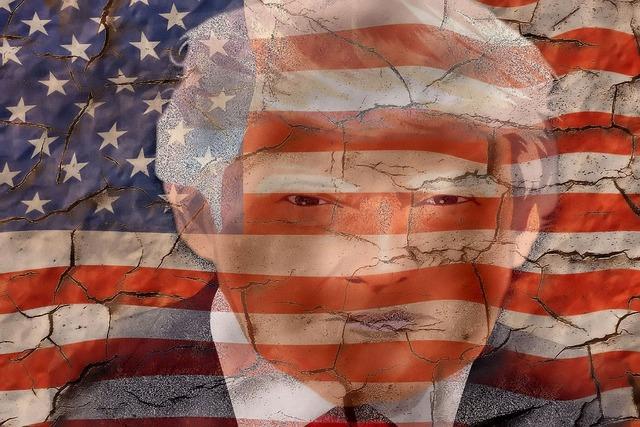
Former President Donald Trump, 80, on Friday set off a wave of concern and speculation after posting a brief, cryptic message on social media that many interpreted as signaling possible health problems. The vague statement – which offered no specifics about symptoms or a diagnosis – was quickly amplified across news outlets and social platforms, prompting questions from voters, political rivals and medical observers about his well-being. The post intensified scrutiny of the former president’s fitness for the rigors of campaigning and public life, even as supporters sought to downplay the episode and critics demanded greater transparency.
Trump Ominous Post Raises Fresh Questions About Health and Fitness for Office
Donald Trump’s terse late-night post – short, unspecific and shared without accompanying medical details – prompted immediate questions about his capacity to serve at age 80. Allies rushed to frame the message as routine bravado, while critics and independent physicians said the vagueness intensified concerns about stamina and cognitive sharpness. Reactions poured in across the political spectrum:
- Republican aides called it a momentary flourish.
- Medical observers urged routine disclosure of recent exams.
- Opponents highlighted the post as evidence of unpredictability.
- Mainstream media questioned the timing and context.
Legal scholars and campaign strategists warned that continuing ambiguity could erode public trust and shape voter perceptions ahead of the next election cycle, increasing calls for a full health summary and optional cognitive screening. Journalists compiled a short timeline of recent health-related flashes that have driven scrutiny, underscoring why transparency is being demanded:
| Date | Noted item |
|---|---|
| Sept 2026 | Unscheduled photo op, limited mobility noted |
| Oct 2026 | Cryptic social post with no medical update |
| Nov 2026 | Calls from physicians for comprehensive disclosure |
The immediate political consequence is simple: without clear, verifiable medical information, voter confidence and support among undecided constituencies may be at risk.
Medical Experts Urge Full Medical Disclosure and Immediate Independent Evaluation by Qualified Physicians
Leading clinicians warned that the latest post raises red flags about the candidate’s current health and urged prompt, transparent action. Physicians told reporters that only a complete release of recent medical records and an independent, in-person evaluation by credentialed specialists can address lingering questions about cardiovascular, neurological and metabolic stability. Their recommendations included immediate procedural steps to ensure the public can assess fitness for office without relying on partisan statements or selective summaries:
- Release of full recent records (clinic notes, labs, imaging)
- Authorization of a third-party physical and cognitive exam
- Publication of medication lists and recent vital-sign trends
- Timely disclosure of any significant interim diagnoses or hospital visits
| Recommended Check | Ideal Timeline |
|---|---|
| EKG & cardiac enzymes | 24-48 hours |
| Neurocognitive screening | 48-72 hours |
| Basic metabolic panel | 24 hours |
Experts emphasized that the evaluation must be conducted by clinicians with no conflicts of interest and that results be reported in a manner accessible to both medical peers and the public to preserve institutional credibility. Journalists covering the story were advised that medical clearance statements-absent corroborating data-do little to resolve professional concern, and that independent assessments are the only path to meaningful reassurance. To restore confidence, sources said, the review should meet these minimum standards:
- Board certification in the relevant specialty
- Independence from campaign or political advisors
- Publication of objective findings, not summaries
What Voters and Journalists Should Watch For and Steps to Independently Verify Health Claims
In the aftermath of an alarming social-media post from an 80-year-old political figure, eyes should be on concrete, observable signals rather than speculation: speech clarity over time, endurance during public events, and any inconsistencies between live appearances and official statements. Journalists and voters alike should also weigh the cadence and coordination of communications – sudden cancellations, unusually scripted interactions, or a pattern of terse, unexplained messages can be as telling as a single troubling post.
Practical verification starts with primary-source scrutiny and simple, verifiable facts: check original timestamps and full-length video, seek contemporaneous on-site reporting, and ask whether medical statements come from credentialed professionals. Key steps include
- Confirm timestamps: raw footage and metadata from multiple outlets.
- Cross-check witnesses: independent reporters, event staff, and multiple attendees.
- Request authoritative comment: official medical releases or statements from named clinicians.
- Corroborate patterns: compare recent behavior, travel schedules, and cancellations for consistency.
| Source | What to verify |
|---|---|
| Official statement | Date, author, medical credentials, full text |
| Video/audio | Unedited files, metadata, multiple angles |
| On-site reporters | Independent corroboration, time-stamped notes |
Concluding Remarks
As questions mount over the significance of the post, the exchange underscores broader public anxieties about the health and fitness of leaders at advanced ages and the limits of relying on social media for substantive medical information. The campaign has not provided additional medical details, and independent physicians say definitive assessments require in-person evaluation and access to records. The situation is likely to remain a focal point for both political rivals and voters as the race continues; The Daily Beast will keep readers informed as new facts emerge.