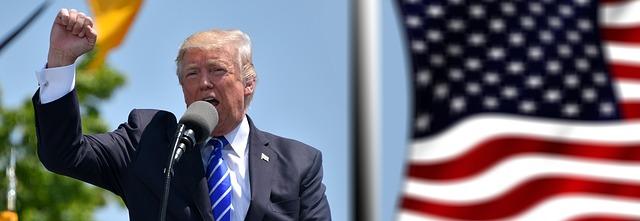
Donald J. Trump is keeping tariffs at the center of his economic playbook, reviving and defending import taxes that his critics say raise costs for consumers and strain ties with trading partners. Once billed as a blunt instrument to reshape global trade, the tariffs that defined his first term have refused to fade from political debate as he and his allies continue to cast them as a tool to protect American industry and punish China.
The persistence of tariff policy exposes a deep split within the Republican coalition – between free-trade conservatives and a populist wing that prizes protectionism – and presents new headaches for businesses and diplomats navigating a fractured trade landscape. As tariffs remain a live issue, economists warn of lingering distortions to supply chains and prices, while supporters argue they are a necessary lever for correcting perceived imbalances in global competition.
Why tariffs remain central to the trade agenda of Donald Trump
Tariffs are more than policy for Donald Trump – they are a signature instrument that fuses negotiation strategy with political theatre. In his view, duties serve as both a lever to extract concessions from trading partners and a straightforward message to voters that he is defending American jobs. Administration decisions to impose broad tariffs on steel, aluminum and a wide range of Chinese goods were framed as corrective trade measures and as proof of a tougher approach; officials argued the moves forced compromises while reshaping supply-chain conversations across industries. Economists and trade partners counter that the costs are diffuse and the benefits uneven, but the political clarity of tariffs keeps them at the center of his trade toolbox.
Analysts point to a tight mix of tactical and political incentives that explain why duties keep returning to the fore:
- Negotiation leverage: Tariffs are used as a bargaining chip in bilateral talks and to prompt multilateral concessions.
- Electoral politics: Visible protectionist steps appeal to manufacturing and blue‑collar constituencies.
- Industrial policy signal: Duties signal a willingness to privilege domestic production over unfettered openness.
- Media simplicity: Tariffs provide a clear, headline‑friendly policy that is easy to defend publicly.
| Measure | Year | Short effect |
|---|---|---|
| Steel & Aluminum tariffs | 2018 | Higher input costs, domestic output uptick |
| China tariffs (Section 301) | 2018-2019 | Supply‑chain shifts, retaliatory duties |
| Targeted tariff threats | Ongoing | Leverage in talks without formal action |
How continued tariffs are reshaping supply chains, raising consumer costs, and complicating relations with allies
Global manufacturers are already rewriting playbooks as duties remain in place: companies are shifting assembly out of tariffed zones, increasing inventory buffers, and paying for faster – and costlier – logistics. The immediate consequence is simple and measurable: input costs rise, and those costs land on store shelves. Observers note a pattern of regional relocation toward Mexico and Southeast Asia, longer lead times for components, and a surge in dual-sourcing strategies that raise operational overhead.
- Nearshoring: factories moved closer to U.S. markets to avoid duties
- Inventory stacking: higher warehousing and financing costs
- Supplier churn: smaller vendors squeezed out or absorbed
That reconfiguration is not only economic but diplomatic: allies who once expected predictable trade rules now confront secondary impacts on their exporters, turning routine commerce into a negotiating table for geopolitics. Governments and businesses describe a new, harder calculus in which tariff policy is a tool that reshapes alliances, triggers retaliatory measures, and complicates multilateral cooperation on supply-chain resilience. Analysts warn that continued duties risk prolonged inflationary pressure and leave partners calculating whether to escalate disputes, pursue exemptions, or deepen regional trade pacts as a hedge against growing friction.
What Congress, businesses, and trading partners should do now to limit economic damage and restore market confidence
Congress should move quickly to blunt the economic shock with targeted, bipartisan measures that restore predictability to commerce: a short-term freeze on new tariffs while lawmakers conduct expedited hearings, a narrowly tailored compensation fund for exporters hit hardest, and clear statutory language limiting unilateral tariff escalation. Lawmakers must also provide immediate liquidity – emergency lending facilities and tax deferrals – to prevent credit squeezes that amplify layoffs; simultaneous oversight and a public timeline for re‑establishing normal tariff rules would send the clearest signal markets need to regain confidence.
Businesses and trading partners must respond with equally concrete steps: diversify supply chains, increase pricing transparency, and coordinate with foreign counterparts to present a united front against destructive escalation. Immediate actions include
- short-term hedging and working-capital lines
- rapid supplier audits and regional sourcing shifts
- joint diplomatic-economic engagement with U.S. officials
Below is a compact action table for quick reference:
| Action | Near-term effect |
|---|---|
| Temporary tariff suspension bill | Stabilizes prices, calms markets |
| Export credit/loan guarantees | Keeps supply chains afloat |
| Cross-border business coalitions | Strengthens negotiating leverage |
Closing Remarks
Whatever else changes in the months ahead, tariffs have endured as a defining element of Trump’s economic playbook – a tool he has repeatedly embraced when domestic politics or strategic rivalry with China demand a hard line. That persistence complicates relations with trading partners, injects uncertainty into supply chains and corporate planning, and leaves consumers and import-dependent industries exposed to higher costs.
Observers say the coming weeks will test whether tariffs are negotiable policy or entrenched political signaling: the administration can tweak rates and targets, but the broader reliance on trade barriers as leverage looks likely to outlast any single negotiation. For businesses, markets and foreign governments, the message is clear – tariff risk is no longer a temporary disruption but a continuing factor in U.S. economic policy.