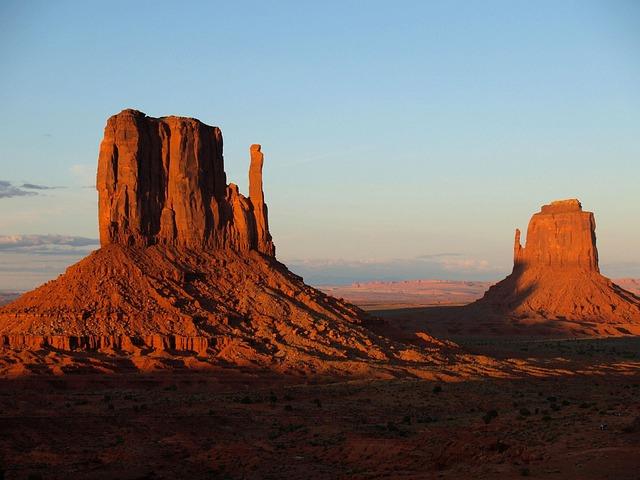
SALT LAKE CITY – A growing chorus of Utah voters wants the federal government to restore the national monuments that once stood across the state, according to recent votes, public meetings and opinion surveys. What began as a contentious fight over maps and management has become a broader political flashpoint – touching on conservation, Indigenous rights, energy development and local control – as residents weigh whether monument protections should return, be reimagined or remain curtailed.
The debate is forcing Utah’s elected officials and community leaders to reconcile competing visions for public land: those who see monuments as vital to heritage and outdoor economies, and others who argue for expanded access for ranching, mining and recreation. As the dispute heads to the ballot box and courtrooms, the outcome could reshape how the state and federal government steward some of the West’s most iconic landscapes.
Utah Voters Call for Return of Bears Ears and Grand Staircase Escalante as Polls Show Overwhelming Support
A recent statewide poll of 800 registered Utah voters finds overwhelming support for restoring federal protections to two of the state’s most contested landscapes: 72% favor returning Bears Ears to national monument status and 69% support reinstating protections for Grand Staircase-Escalante, with a margin of error of ±3.5%. Support cuts across party lines in ways that alarm and embolden both conservation advocates and tribal leaders – a striking majority of independents and a plurality of Republican respondents told interviewers that they favor restoration, citing cultural stewardship, outdoor recreation economies, and long-term land management as top priorities. The survey also notes that voters who live nearest the monuments are more likely to emphasize local economic benefits from tourism, while a growing number of urban respondents cited conservation and Indigenous co-management as decisive factors.
The results are already shaping political calculations in Salt Lake City and Washington: elected officials face renewed pressure to pursue administrative or legislative pathways to restoration, and several county councils signaled plans to propose ballot measures that would clarify local preferences. Legal experts say the public mandate reflected in the poll could influence executive-level decisions and frame the next round of litigation, particularly around tribal co-management proposals and federal land-use rules. Observers caution, however, that translating public sentiment into policy will require coordinated action – from petitions and public hearings to congressional bills – and that the coming months will reveal whether the state’s political leadership responds to this clear message from voters.
- Restore protections: Public backing for monument designation.
- Tribal co-management: Strong interest in formal agreements with Native nations.
- Economic focus: Emphasis on sustainable tourism and local jobs.
| Monument | Support | Oppose |
|---|---|---|
| Bears Ears | 72% | 18% |
| Grand Staircase-Escalante | 69% | 21% |
Political and Legal Roadmap to Reinstatement Emerges as Lawmakers, Courts and the Department of the Interior Face Pressure to Act
State and federal lawmakers have quietly begun stitching together a political path to restoration as pressure mounts from voters, tribal leaders and conservation groups. In recent weeks, congressional offices have signaled they will introduce companion bills, while key committees quietly schedule briefings to prod the Department of the Interior toward a decisive reply. Parties on both sides of the aisle are using three complementary levers to shape the outcome:
- Legislation – targeted bills to codify monument boundaries or reverse past reductions;
- Oversight – hearings and letters demanding a timely administrative determination;
- Public pressure – state and local resolutions plus voter-driven campaigns to keep the issue visible.
Those moves reflect a strategic shift: rather than waiting for a single presidential proclamation, advocates are assembling a multi-track political strategy aimed at making reinstatement a near-term and bipartisan priority.
At the same time, legal pathways remain central to any outcome, and several cases and administrative challenges are likely to define the timetable. Conservation organizations and tribal governments have already signaled readiness to pursue judicial review under the Administrative Procedure Act and other statutes if the Interior’s reply is delayed or deemed arbitrary. The likely sequence facing stakeholders is summarized below:
| Path | Mechanism | Expected timeframe |
|---|---|---|
| Congressional action | Pass bills to restore or protect lands | Months-1 year |
| Administrative decision | DOI proclamation or rulemaking | Weeks-6 months |
| Litigation | AP A suits and appeals | 1-3 years |
Legal experts warn the interplay of court rulings and executive action could create stop-start cycles, but all sides now acknowledge the political will and judicial tools are in place – making restoration a real, if contested, near-term possibility.
Restore Protections and Rebuild Tribal Partnerships to Safeguard Cultural Sites and Revive Rural Economies Recommendations for Congress and the Department of the Interior
Federal leaders in Washington face a clear crossroads: reversing rollbacks to public-land protections and rebuilding government-to-government relationships with Tribal nations is not just cultural preservation but economic triage for rural Utah. Journalistic accounts and local testimony converge on one conclusion – restoring monument boundaries and statutory safeguards must be paired with formal co-management agreements that give Tribes equal say over access, interpretive programming, and site protection. Lawmakers and the Department of the Interior should move quickly to use legislative fixes and agency rulemaking to lock in protections while providing immediate funding to Tribal stewards and rural communities that depend on heritage tourism and land-based livelihoods.
- Restore and Codify Protections: Re-establish monument designations and pass statutory language that limits unilateral reductions.
- Tribal Co-Management: Fund and formalize government-to-government management plans and expedited consultation protocols.
- Stewardship and Workforce Grants: Invest in Tribal-led conservation crews, interpretation, and trail maintenance to create local jobs.
- Economic Transition Assistance: Direct targeted grants to rural businesses and infrastructure tied to sustainable recreation and cultural tourism.
- Transparency and Metrics: Require public reporting on enforcement, visitation impact, and cultural resource health.
| Recommendation | Near-term Impact |
|---|---|
| Statutory protections | Immediate legal stability |
| Tribal co-management | Enhanced site stewardship |
| Stewardship funding | Local job creation |
Implementation must include measurable benchmarks and public accountability: deadlines for formal agreements, transparent budget lines for stewardship, and independent cultural-resource audits. Congressional oversight and Interior Department rulemaking should prioritize community-led solutions that reduce vandalism, restore fragile landscapes, and boost diversified rural economies through responsible visitation. If Washington acts on these recommendations, the result will be more than preserved rock and ruins – it will be restored reciprocal governance, jobs in small towns, and a durable framework for protecting irreplaceable cultural sites.
In Retrospect
As the vote shows, the battle over public lands in Utah is far from settled – it has simply moved from courtrooms and conservation groups into the ballot box and legislative agendas. Whatever happens next, the issue is likely to shape local and national campaigns, test relationships between state and federal officials, and push new proposals for land management and access. For now, the monuments remain under federal designation, but the political pressure to revisit those decisions is unlikely to fade. Lawmakers in Salt Lake City and Washington, D.C., will be watched closely as they respond; their choices in the months ahead will determine whether Utah’s voters get the changes they say they want.