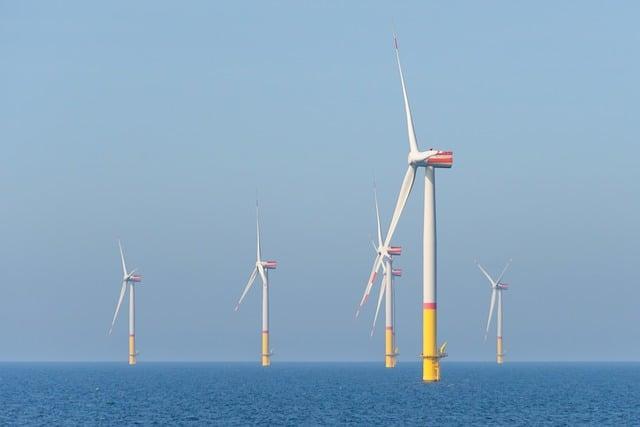
For years, the gusty plains of North Dakota were a wind developer’s dream: vast open land, strong, steady wind and eager landowners willing to lease acreage. The result was an economic lift – jobs, lease payments to farmers and ranchers, new tax revenue for rural counties and a growing role for the state in supplying clean energy to regional grids.
Now, that boom is meeting a backlash. Across small towns and county commission meetings, residents who once welcomed turbines are raising objections – citing everything from landscape and noise concerns to disputes over compensation, local control and the pace of new projects. Some communities have adopted moratoriums or tightened rules; others are suing developers or lobbying state lawmakers for change.
This article examines how a technology that has brought clear benefits to North Dakota has also fueled frustration and resistance, and why the tensions over turbines are becoming an increasingly prominent part of the state’s economic and political landscape.
Wind Power Brought Jobs Tax Revenue and Grid Investment to North Dakota but Benefits Have Been Uneven
Wind development has brought clear economic wins to parts of the state: construction booms, new tax streams and targeted upgrades to transmission corridors that utility companies and grid operators say were overdue. Local officials and project developers point to thousands of temporary construction jobs, millions in county and school tax revenue, and grid investment that has improved capacity to move electricity out of wind-heavy regions to distant markets. Yet those benefits have not been evenly distributed across counties or communities, leaving a patchwork of prosperity that has altered the political and social landscape around turbines.
Residents in some townships report direct financial gains from lease payments and increased local spending, while neighbors near new arrays raise concerns over noise, property values and landscape change – frictions that have produced high-profile opposition and legal challenges. The uneven outcomes have also sharpened debates over who should control siting decisions and how tax proceeds are allocated, with advocates pushing for clearer benefit-sharing frameworks and more robust community consultation. Key stakeholders include:
- Landowners – lease income and hosting revenue
- Counties and school districts – property and PILT-style taxes
- Utilities and grid operators – improved transmission and capacity
- Neighboring residents – mixed economic gain, local impacts
- Tribal governments – calls for meaningful consultation and revenue sharing
| Beneficiary | Typical outcome |
|---|---|
| Landowners | Steady lease payments |
| Local governments | Increased tax base |
| Utilities | Better export capability |
| Nearby residents | Varied economic and quality-of-life effects |
Residents Point to Noise Visual Impact and Unequal Landowner Gains and Call for Stronger Local Control and Fairer Compensation
Residents who once praised the state’s wind boom now point to persistent noise, shadow flicker and night-time glow as tangible harms that were downplayed during the rush to build turbines. Neighbors describe a steady low-frequency hum that can travel across fields, intrusive blade shadows that break up daytime windows and a turbine-dominated skyline that many say has altered the rural character of their communities. At the same time, the economic benefits are being felt unevenly: leaseholders pocket steady payments while non-host neighbors report no direct compensation and spotty declines in property values, fueling resentment and a sense that the local voice was sidelined in permitting decisions made under state and corporate timelines.
Calls for change now center on stronger local authority and more equitable pay-outs, with community leaders asking for clear, enforceable measures before any new projects move forward. Priorities being pushed by citizens and some county officials include:
- Local zoning and referendum powers to set setbacks and project density;
- Independent noise and shadow-flicker monitoring funded by developers;
- Mandatory community benefit agreements that share revenue with all residents, not only leaseholders;
- Compensation or buyout options for neighbors who can demonstrate amenity loss or property impacts.
| Recipient | Typical Annual Payment (illustrative) |
|---|---|
| Host landowner | $3,000-$10,000 |
| Nearby resident | $0-$300 |
| Community fund | $0-$1,000 |
Local elected officials say those measures would give counties “more teeth” to protect quality of life while still permitting responsible development, but developers argue statewide certainty is needed to attract investment – a tension that is shaping the next round of policy debates.
Policymakers Can Rebuild Trust by Mandating Community Benefit Funds Transparent Lease Standards and Robust Environmental Monitoring
Years of rapid turbine construction have delivered jobs and tax revenue across North Dakota, but residents in some counties now question whether benefits are fairly distributed and whether safeguards are enforced. Local leaders and reporters are documenting opaque lease deals, sporadic noise and wildlife complaints, and patchy post‑construction monitoring – all of which have fed a political backlash. Lawmakers in Bismarck and county commissions are increasingly hearing the same prescription: tighten rules so that economic gains are visible at the community level and environmental performance is independently verifiable.
Practical fixes being pushed by advocates and some legislators include establishing community benefit pools with transparent accounting, standardizing public lease terms, and funding continuous, independent environmental monitoring. Proposed actions at a glance:
- Community funds: predictable per‑turbine payments directed to local priorities.
- Lease transparency: mandatory public disclosure of contract terms and revenue shares.
- Monitoring: baseline studies and ongoing air, noise and wildlife data available to residents.
| Measure | Near-Term Effect | Long-Term Gain |
|---|---|---|
| Benefit pools | Immediate local funding | Less opposition to projects |
| Open leases | Greater public trust | Clearer fiscal planning |
| Independent monitoring | Faster issue detection | Evidence‑based regulation |
The Way Forward
As North Dakota weighs those competing claims, the debate over wind power has moved from the realm of utility planning into kitchen-table conversations and county commission chambers. Projects that promised jobs, lease payments and cleaner electricity have nonetheless sparked grievances about sightlines, property rights, local control and whether communities are reaping a fair share of the rewards.
State officials and developers say wind will remain a key part of meeting demand and economic goals; opponents and some landowners insist the pace and scale of deployment must slow until mitigation and compensation improve. How policymakers balance those priorities – between statewide energy and climate objectives and the concerns of the people who live where turbines rise – will shape the next chapter of North Dakota’s energy story.
For now, wind has brought clear gains to the state, even as the social and political costs of that transition become more visible. The decisions made in the coming months will determine whether those costs can be addressed in ways that restore public trust, or whether local opposition will stall projects and reshape the future of renewable development in the Upper Plains.