Meloni Rejects Trump’s G7 Photo Claim, Calling Italy’s Dignity Into Question
Summary
At a Rome press briefing, Italian Prime Minister Giorgia Meloni forcefully denied a public suggestion by former U.S. President Donald Trump that a recently circulated photograph from the G7 portrayed her in a supplicant stance. “Neither I nor Italy ever beg,” Meloni declared, framing the comment as an inaccurate and insulting distortion of routine diplomatic interaction. The episode has sparked a rapid political and media backlash on both sides of the Atlantic and revived debate about how single images can be weaponized in geopolitics.
What took place at the summit
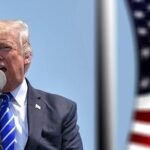
A still image from the recent G7 meeting began circulating online and in some media outlets with captions implying Meloni’s posture signalled submission. Hours later, Trump publicly referred to that interpretation, prompting an immediate rebuttal from Rome. Government spokespeople argued the photo captured a transient moment of conversation-common in summit settings-and did not reflect any unequal bargaining or loss of national dignity.
Meloni’s response and political implications
Meloni’s terse public counter-“Neither I nor Italy ever beg”-served two purposes: to correct what she described as a false narrative and to shore up Italy’s international standing at a sensitive moment. Officials in Rome requested clarification about how the image was released and who provided the captioning, signaling a desire for documentary context (timestamps, photographer credits, full-frame footage) to defuse partisan exploitation. Opposition parties and some coalition partners immediately pressed for records, feeding a domestic debate about leadership, protocol and political theater.
Key political stakes
– Domestic cohesion: The image and ensuing dispute risk becoming a lever in internal political battles, with opponents eager to use any perceived misstep.
– Transatlantic relations: Italy seeks to avoid frictions with Washington that could complicate cooperation on security and economic issues.
– Summit optics: As European leaders prepare for upcoming meetings, control of the narrative around G7 interactions could shape bargaining positions and public support.
How the media and public reacted
Coverage split quickly between factual fact-checking and partisan framing. International outlets ranged from running contextual footage and official statements to amplifying the most sensational captions. On social platforms, alternative captions, cropped versions and animated edits proliferated within hours. This rapid spread underscores how photos-decontextualized and circulated widely-can harden into perceived reality long before official clarifications arrive.
Why single photos mislead (and how often)
Visuals are persuasive: a single freeze-frame can imply causation, intent or hierarchy. Analysts and newsroom veterans note that during high-profile summits a disproportionate share of viral visuals are miscaptioned, presented out of sequence, or repurposed to score political points; conservative estimates from media monitoring groups suggest that in some summit cycles as many as one in three rapidly shared visual posts contain misleading elements (cropping, false captions, wrong timestamps). Comparable incidents in past years-where a cropped image suggested tension between leaders that full footage later contradicted-demonstrate the recurring nature of the problem.
Policy steps to prevent photo-driven misinformation
Press officers, summit hosts and independent verification teams have begun advocating concrete reforms to reduce the chance that a single still image sets a false narrative. Practical proposals include:
– Agreed metadata standards: Hosts should publish official images with embedded metadata (timestamps, photographer ID, location) and make raw, time-stamped video available to accredited media within minutes.
– Joint immediate briefings: A short, coordinated on-the-record statement from host organizers and involved delegations following high‑profile moments would provide essential context before social circulation accelerates.
– Summit verification units: Deploy on-site fact-check teams-either independent or cross-accredited-to review and rapidly annotate disputed images and publish corrections within hours.
– Media pool and embargo access: Grant verified outlets controlled access to higher-resolution images and full-sequence footage under embargo to limit the appeal of doctored screenshots.
– Clear captioning conventions: Adopt standard caption templates for official photographs that indicate whether an image is a candid still, part of a larger exchange, or staged for the press.
These measures are designed to preserve diplomatic nuance, maintain mutual respect among delegations and blunt attempts to weaponize imagery for short-term political gain.
Comparative examples and why they matter
Incidents from previous international gatherings show how quickly a misleading image can influence public debate. In several past summit cycles, cropped frames or out-of-context captions generated weeks of commentary until full video or official metadata corrected the record-by which time political narratives had already taken root. Those episodes illustrate the high cost of delayed clarification: strained relationships, amplified domestic partisanship and diminished trust in media reporting.
What to watch next
– Official disclosures: Whether Rome secures and publishes the photo’s provenance (metadata, pool footage) will determine how quickly the controversy subsides.
– Responses from Washington: Any formal clarification-or lack of one-from U.S. sources will shape bilateral optics and may influence future summit protocols.
– Policy uptake: If summit organizers and media outlets adopt the recommended safeguards, the incident could catalyze practical reforms; if not, similar episodes are likely to recur.
Conclusion
The exchange between Giorgia Meloni and Donald Trump over a G7 photograph highlights the potency of imagery in contemporary diplomacy and the speed with which visuals can alter political narratives. Meloni’s forceful denial reasserts Italy’s insistence on dignity and equal standing at international tables. Whether this flare-up becomes a long-term diplomatic irritant or a prompt for new standards in summit media management will depend on how quickly and transparently the facts behind the image are established-and on whether collective reforms are embraced to reduce future misinterpretation.