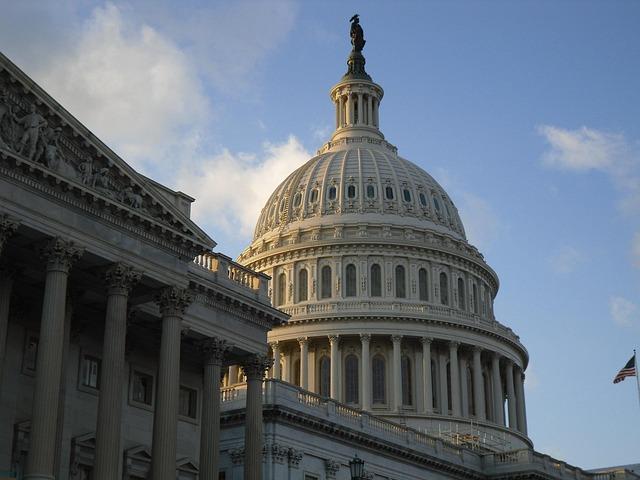
Washington’s built environment does more than frame the federal government – it stages competing visions of national identity. From Pierre L’Enfant’s radial plan and neoclassical references to republican Rome, to the long green expanse of the National Mall and the newer glass-and-concrete federal blocks, the District’s streets, parks and skyline have been repeatedly redesigned to express evolving ideas about power, memory and civic life.
These redesigns are seldom apolitical. Elected officials, federal agencies and planners have clashed over whether the capital should feel grand and ceremonial or livable and local; whether monuments should unify or provoke reckoning; and how to reconcile security concerns with public access. Recent controversies – from the security fences installed after Jan. 6, 2021 to disputes about new memorials and redevelopment projects – have reopened the question of who Washington is built for. Below is a refreshed look at that ongoing contest: what fuels it, the policy changes advocates are pushing, and how the city can reorient its public realm to prioritize residents without erasing national memory.
A Monumental Core or a City for Residents?
Why scale and zoning matter
For much of its history, Washington’s central boulevards and long sightlines have prioritized ceremonial presence over everyday urban activity. That legacy shows up in zoning and federal planning priorities that often preserve monumental vistas at the expense of denser housing, retail vibrancy and trees along neighborhood blocks. Critics argue this has contributed to constrained housing supply, longer auto commutes for many District workers and a public realm that privileges spectacle over use.
What reformers are asking for
Community groups, urban planners and transit advocates testified recently in favor of a zoning overhaul that would free up corridors for mid-rise, mixed-use buildings and help create “missing middle” housing types – duplexes, rowhouses and walk-up apartments that bridge single-family homes and high-rises. Complementary measures include a concerted pocket park program to transform vacant lots and curb cuts into shaded, playable spaces and a citywide shift toward transit-first streets that prioritize buses, bikes and pedestrians over private cars.
Practical priorities pushed at hearings and in proposals:
– Zoning overhaul to allow neighborhood-scale mid-rise, mixed-use development and reduce single-use restrictions.
– Pocket park initiatives converting empty parcels and widened sidewalks into small parks and social spaces.
– Transit-first streets that reallocate curb lanes for transit and protected bike infrastructure, paired with measurable performance targets (speed, reliability, safety).
Advocates frame these changes not as stylistic tweaks but as measurable interventions: increased attainable housing production, greater tree canopy and faster, more reliable transit for daily commuters.
The Executive Footprint: Presidential Projects and Their Local Effects
How presidential decisions reshape neighborhoods
Presidents and White House priorities have repeatedly left physical marks on Washington’s fabric. Executive-driven projects – whether a commemorative plaza, a new museum approval or changes to an official residence – often proceed with narrower public review than typical municipal projects. The consequences can be tangible: altered traffic flows, new security perimeters that restrict pedestrian movement, and neighborhood displacement as property values shift.
Recent, high-profile moments crystallize those tensions. The long debate and eventual construction of the Dwight D. Eisenhower Memorial reconfigured a section of the city; the National Museum of African American History and Culture’s arrival altered visitation patterns around the Mall and nearby streets. Security responses since 2021 – temporary fencing and expanded standoff zones – sparked renewed public debate about when protective measures become persistent barriers to access.
Reforming approvals and oversight
To ensure presidential projects respect local communities and historic character, reformers propose:
– Mandatory public-notice periods and meaningful community engagement before approvals.
– Independent historic-impact assessments that assess both cultural significance and neighborhood effects.
– Binding mitigation plans and enforceable timelines to address displacement, traffic, and access impacts.
These tools aim to make executive-scale changes more transparent and accountable, so decisions about monuments and presidential footprints balance symbolism with everyday civic function.
Designing for Everyday Life: Community-Led Planning and Funding for Maintenance
Putting residents at the center
A recurring conclusion from planners and civic leaders is that reclaiming public space starts with putting residents – not only federal aesthetics – at the center of design and funding decisions. Three linked strategies have emerged as practical steps:
1) Community-led planning: structured neighborhood charrettes and decision-making seats for residents on project bodies, coupled with commitments that translate plans into binding actions rather than consultative reports.
2) Inclusive design standards: enforceable guidelines focused on accessibility, shade, play areas, street-level small-business frontage and places for everyday use instead of solely ceremonial treatments.
3) Equitable maintenance funding: long-term financing arrangements to guarantee upkeep (trees, lighting, trash removal, play equipment) so new parks and streets don’t degrade after a one-time installation.
How funding tools can work together
Local experiments suggest different instruments offer distinct advantages. Neighborhood maintenance trusts give residents high control and sustained stewardship of small public assets. Participatory budgeting directs resources at ward or city scales and creates visible accountability. Corridor-level assessment districts can mobilize private investment for larger infrastructure but may produce mixed equity outcomes without safeguards. Layering these approaches – community stewardship plus city investments and equity criteria – produces the most resilient results.
Examples and momentum
The COVID-era conversions of curbside parking into outdoor dining and temporary parklets demonstrated how quickly underused curb space can become social infrastructure, and many cities have moved to pilot more permanent pocket parks as a result. Transit-first pilots in several U.S. cities have reduced bus travel times and helped increase ridership where lane reallocation was paired with enforcement and bus-priority signals. These examples show how targeted pilots, robust evaluation and community safeguards can scale localized success across the city.
Making the next round of decisions legible and fair
Two cross-cutting reforms would make future changes clearer and more contestable:
– Plain-language reporting and enforceable review timelines so residents can track and, when necessary, challenge project decisions.
– Equity metrics required for public projects and funding instruments so benefits reach historically underserved neighborhoods.
Conclusion: The Capital as Conversation, Not Monument Alone
Washington’s streets, parks and memorials will remain contested terrain – both a civic stage for national memory and the literal ground where residents live daily life. Presidential directives, federal agencies, city planners and neighborhood groups will continue to negotiate that balance. If the next round of reforms succeeds, the District’s future will be shaped by tighter public oversight of presidential projects, zoning changes that create more attainable housing, and design and funding systems that keep everyday people at the center. In short, the city can remain a symbol of national ideals while functioning as a humane, accessible home for its residents.