Smithsonian at the Center of a Political Storm: What the Latest Accusations Mean for Public Museums
Overview
Federal officials this year accused the Smithsonian Institution of engaging in “extreme political activism,” charging that exhibits, staffing choices and public programs reflected partisan intent. Smithsonian leaders, museum professionals and outside scholars reject that portrayal, saying reviews show normal curatorial judgment and scholarly practice – not coordinated advocacy. The dispute has reignited debates over how federally supported cultural organizations balance scholarly independence, public accountability and political scrutiny.
How the Allegations Emerged
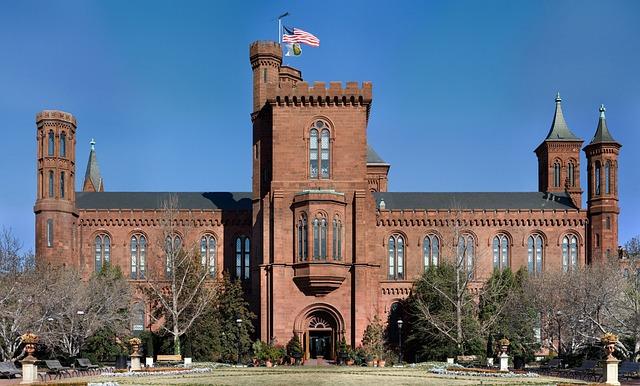
The administration’s critique portrayed the Smithsonian – the nation’s largest museum and research complex, which oversees 19 museums, galleries and the National Zoo – as operating more like a political platform than a cultural steward. Officials alleged that exhibits “promoted” particular viewpoints, accused some hiring and retention decisions of being ideologically driven, and suggested programming crossed from interpretation into advocacy.
Smithsonian leaders responded that the charges misread routine museum work. They emphasized established editorial safeguards – including peer review, subject-area expertise and multilayered internal approvals – that guide exhibit development, acquisitions and public programming. The institution also noted that its sites collectively drew tens of millions of visitors in pre-pandemic years, underscoring the public stake in how these institutions operate.
What the Reviews Found
Subsequent internal and independent examinations largely failed to substantiate claims of an orchestrated political agenda. Reviewers concluded that many contested decisions reflected professional judgment about how to contextualize historical and cultural subjects for diverse audiences.
Key takeaways from oversight and expert reviews included:
– No documentary evidence of an organized advocacy campaign emanating from Smithsonian leadership.
– Instances cited by critics often involved selective excerpts of longer communications that, when viewed in full, showed routine curatorial deliberation.
– A small number of public programs were characterized as civic engagement rather than institutional advocacy.
Documents obtained by investigators – internal memos, email threads and staff interviews – revealed competing interpretations. Some emails suggested messaging tailored to particular audiences, while other correspondence and testimony indicated that balancing access, outreach and scholarship sometimes produces hard judgment calls, not partisan coordination.
Calls for an Independent Inspector General Review and Greater Transparency
Legal and ethics specialists, along with some former oversight officials, have urged a neutral, third-party Inspector General review to evaluate whether proper procedures were followed and whether political considerations improperly shaped the accusations themselves. They also want full public disclosure of the correspondence and materials referenced in the administration’s dossier so independent experts can assess the evidence.
Advocates for transparency argue that publishing the underlying documents would help restore public confidence and clarify whether the controversy stems from isolated missteps or from biased interpretation of museum practices.
Policy Responses Under Consideration
In reaction to the public dispute, bipartisan groups of lawmakers and museum leaders have proposed measures intended to protect curatorial independence while improving accountability. Proposals circulating in congressional offices and among cultural-sector coalitions include:
– Statutory protections for curatorial decision-making to shield hiring and exhibition choices from partisan interference.
– Regular independent audits of governance and external influences to detect politicized interventions.
– Mandatory transparency reports documenting communications between museums and elected officials, major donors or political offices.
Proponents describe these steps as a way to preserve professional autonomy while making the operations of federally supported museums more visible to the public. Draft legislative language and committee plans suggest hearings on these topics may follow soon.
Why This Matters Beyond One Institution
Museums serve as public forums for interpreting history, science and culture. When political leaders cast doubt on a museum’s neutrality, the effects can be broad:
– Staff morale and recruitment can suffer if employees fear management or oversight will be politicized.
– Programming may be chilled, reducing willingness to tackle complex or contested subjects.
– Public trust in nonpartisan scholarship and preservation work may erode, diminishing the civic value of cultural institutions.
Analogous disputes at state museums and cultural agencies show how quickly routine curatorial choices can be reframed as political offenses – a phenomenon comparable to criticizing an orchestra conductor for programming modern compositions simply because the program includes unfamiliar works. The core challenge is distinguishing rigorous interpretation from partisan advocacy while preserving the museum’s role as an open, evidence-based forum.
The Road Ahead
At stake is not merely the reputation of one institution but the broader principle of curatorial independence in publicly funded cultural organizations. Possible outcomes include:
– An Inspector General report that clarifies factual findings and either vindicates museum practice or identifies areas for tighter controls.
– Legislative action that codifies protections and transparency requirements for federally affiliated museums.
– Continued public debate that forces museums to adopt clearer disclosure practices even absent new laws.
For now, Smithsonian officials maintain their commitment to scholarly standards and to stewarding the nation’s collections. Observers expect the controversy to prompt increased scrutiny from Congress and watchdogs, and to generate recommendations that aim to balance independence, transparency and accountability across federal cultural institutions.