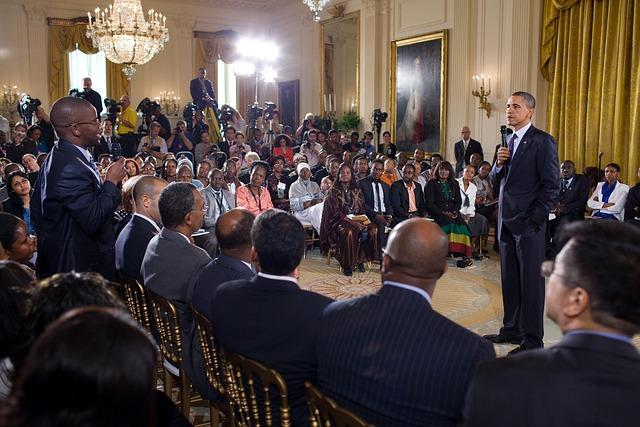
They plaster their profiles with protest placards, sign digital petitions between work emails and school runs, and expect companies, universities and sports leagues to take public stands. The line between private life and public politics has thinned – and whether you’re an influencer, a frontline worker or a weekend voter, politics now feels personal.
This Friday essay explores that shift: how social media, workplace activism, consumer power and a constant news cycle have turned more people into politically active actors – and what that actually means for democratic change. Are these bursts of outrage and viral campaigns reshaping institutions and policy, or mostly producing performative gestures and deeper polarization?
The piece looks at the mechanisms through which everyday political acts can translate into lasting reform – from grassroots organizing and targeted campaigning to regulatory pressure on corporations – and the obstacles that frequently block progress, including short attention spans, fragmented movements and institutional inertia. The question at the heart of this essay is simple but urgent: in an era when we’re all “political” now, can that new engagement be converted into real, durable change?
Everyday politics on the rise: how social media workplaces and consumer activism are reshaping civic engagement
Once the domain of elected officials and organized movements, public life is now threaded through daily apps: social media, internal team channels and the marketplace. Colleagues, customers and casual observers are increasingly acting as watchdogs, turning workplace memos into headlines and product choices into political statements. Journalists tracking the trend note a mix of grassroots innovation and performative optics – what starts as a viral post can prompt genuine policy shifts, but it can also produce fleeting gestures. Key mechanisms driving this shift include:
- Hashtag campaigns that push issues into mainstream news cycles
- Employee petitions, Slack walkouts and open letters pressuring employers
- Boycotts, review-storms and targeted purchasing that sway corporate priorities
- Crowdfunded legal challenges and micro-donations sustaining causes
The net effect is pragmatic and uneven: companies can reverse decisions overnight, executives can resign under pressure, and campaigns can force pilot reforms – yet deeper institutional change often lags. The simple table below sketches the difference between immediate wins and the harder outcomes advocates seek, underscoring why sustained organizing, legal frameworks and political leverage remain decisive. Reporters and analysts caution that while the arena of politics has widened, turning everyday pressure into durable reform requires strategy beyond a viral moment.
| Immediate win | Potential long-term outcome |
|---|---|
| Policy reversal | Short-term fix |
| Executive departure | Board reshuffle |
| Product pull | Supply-chain review |
| Refund campaign | Regulatory scrutiny |
From outrage to ordinance: how local organising targeted lobbying and strategic voting can win concrete reforms
Outrage, amplified online and in the press, has increasingly pushed ordinary residents into the same political conversation as elected officials – and now those residents are converting attention into policy. Community groups have moved beyond general protest to deploy targeted lobbying, precinct-level persuasion and strategic voting campaigns that aim at specific council seats and committee chairs. The result in multiple cities: narrow but decisive wins on transit fares, tenant protections and police oversight where organisers focused on a single, achievable demand and held named officials to public timelines.
- Map the levers: identify the votes, sponsors and committee owners.
- One clear ask: concentrate pressure on a single ordinance or amendment.
- Turnout targeting: flip a handful of precincts rather than canvassing the whole city.
- Accountability tracking: record promises at hearings and publish weekly scorecards.
Reporting from recent campaigns shows the payoff of combining grassroots presence with institutional savvy: organisers who layered door-knocking and mail with scheduled council-watch actions forced recorded votes and publicly exposed wavering councillors – often tipping small margins that decide municipal rules. A short audit of wins across municipalities underscores how modest investments of time and money, when directed at the right targets, produce durable reforms and build the institutional knowledge needed to scale those tactics to larger fights.
| Issue | Approach | Timeframe |
|---|---|---|
| Transit fare cap | Targeted lobbying + turnout | 9 months |
| Open-data ordinance | Committee pressure + public hearings | 6 months |
| Tenant right-to-repair | Petitions + endorsement strategy | 11 months |
A practical roadmap for change: insist on workplace protections prioritize city level policy wins and build cross partisan coalitions for sustained impact
Cities can move faster than national capitals, and the immediate battleground is routine work: enforceable standards that protect workers while locking in predictable costs for employers. Practical next steps are already proven in a handful of municipalities: mandate paid sick leave, establish independent enforcement units, and require transparent employer reporting. Local legislatures should pair rules with low-cost compliance tools – proactively funded audits, hotline resources and public employer scorecards – so policies don’t exist only on paper. Key actions include:
- Targeted inspections in high-risk sectors
- Rapid-response legal clinics for wage theft
- Mandatory public reporting of compliance metrics
- Small-business grants for implementation costs
Winning at city hall demands coalitions that cross ideological lines and keep attention focused on measurable outcomes. Political durability comes from marrying the urgency of worker protections with pragmatic appeals to municipal priorities: cleaner streets, reduced hospital visits, and stable local economies. Build alliances that include labor, small business associations, faith groups and nonpartisan health experts; use pilot programs and shared metrics to prove impact, then scale. Simple governance rules – neutral facilitators, sunset reviews and public dashboards – convert one-off victories into sustained change and make it harder for subsequent administrations to roll back gains.
- Cross-sector tables to define success metrics
- Short pilots tied to clear evaluation windows
- Public dashboards to sustain civic pressure
In Summary
Whether the surge in political engagement will translate into lasting policy shifts remains an open question. Much will depend on whether mobilised citizens can sustain pressure beyond headline moments, whether parties and institutions adapt, and whether new coalitions can turn demands into legislatable reforms. For now, the story is one of potential: a more politicised public has altered the terrain, but measurable change will require organisation, strategy and time. Watch the coming months for how activists, politicians and institutions respond – those responses will determine if this moment becomes a turning point or a passing phase.