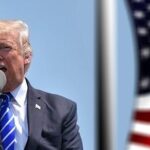
Trump pledges continued degradation of Iran’s military after call with Xi; Strait of Hormuz security spotlighted
Summary
Former U.S. president Donald Trump told Chinese leader Xi Jinping that the United States would press on with measures to degrade Iran’s military capabilities, according to officials briefed on their conversation. The exchange – framed publicly by both sides as an effort to protect commercial shipping through the Strait of Hormuz – highlights an uneasy alignment on a flashpoint whose disruption would reverberate through global energy markets and maritime trade routes.
What was said and who was on the call
- Participants: Donald Trump, Xi Jinping, and senior national security advisers.
- Core topic: The security of maritime traffic through the Strait of Hormuz.
- Public result: No joint military operation announced; rhetoric hardened and Beijing urged restraint and stability.
Context and why the Strait of Hormuz matters
The Strait of Hormuz is a narrow chokepoint through which roughly one‑fifth of the world’s seaborne oil shipments transit at any given time. A disruption there can prompt immediate ripples in global energy prices, insurance costs and supply‑chain routing. Past instances of heightened tension in the Gulf have produced sharp, short‑term jumps in crude futures and pushed shippers to reroute or delay voyages, raising costs across manufacturing and transport sectors.
Immediate diplomatic and market reactions
Diplomats in Gulf capitals and trade officials reacted swiftly to the reported exchange. Energy traders and carriers – already sensitive to any sign of instability – moved to price in higher risk premia. Historically, similar crises have lifted Brent and WTI futures by several percentage points within days; analysts warned that escalating military language increases the probability of supply interruptions and insurance surcharges.
Regional and international stances (snapshot)
- U.S. hardline camps: Push for sustained pressure on Tehran’s military infrastructure.
- Beijing: Publicly calls for de‑escalation and stability to protect global trade.
- Tehran: Condemns threats and signals it will respond to perceived aggression.
- Shipping industry and insurers: Preparing contingency plans and reassessing premiums.
Risks of escalation and pathways to miscalculation
Security experts caution that combining combative public statements with intensified naval activity raises the chance of accidental clashes. Three dynamics are especially dangerous:
- Close encounters at sea between state navies or between navies and Iran‑aligned proxies.
- Misidentification of commercial vessels in crowded sea lanes.
- Rapid retaliatory cycles that outpace diplomatic backchannels.
Recommended immediate steps to reduce risk
Analysts and former officials propose a blend of military deterrence, economic pressure calibrated to avoid civilian harm, and discreet diplomacy:
- Multinational naval patrols: Coordinated escorts and shared intelligence to reassure commercial shippers and deter seizures.
- Targeted sanctions recalibration: Focus on leadership and key military suppliers rather than broad measures that hurt civilians.
- Rapid diplomatic hotlines: Immediate, secure channels between Tehran, Washington and Beijing to manage incidents and prevent escalation.
Operational checklist for coalition leaders
- Assign joint patrol tasking with clear rules of engagement and distributed ISR (intelligence, surveillance, reconnaissance).
- Publish narrowly targeted sanction lists with transparent humanitarian exemptions.
- Stand up emergency hotlines and incident‑management protocols to enable same‑day de‑escalation.
Why Beijing’s role is pivotal
China’s posture will materially affect outcomes. As a major trading partner of Iran and an essential customer for Gulf energy, Beijing faces competing pressures: maintaining ties with Tehran while safeguarding uninterrupted access to crude and manufacturing inputs. Whether Beijing acts as a mediator, an independent security actor or a cautioning interlocutor could determine how sharply maritime risk premiums rise and whether negotiations gain traction.
Multilateral options to defuse the crisis
Experts suggest several collective measures that could create breathing room for diplomacy:
- EU‑led mediation platform: A neutral forum to bring Tehran, Washington and Beijing into structured talks on transit guarantees.
- Protected shipping corridors: Temporary, internationally backed escort lanes similar to convoy models used off Somalia, combined with real‑time monitoring.
- UN Security Council initiative: Agree on codified de‑escalation procedures and emergency mechanisms to be invoked after incidents.
Practical examples and precedents
- Gulf convoys: During previous insecurity in nearby waters, ad hoc international escorts successfully reduced pirate attacks and protected commercial traffic – a model that could be adapted for the Hormuz context.
- Targeted sanctions regimes: Past sanctions designed to avoid civilian harm often included carve‑outs for humanitarian goods; similar design choices can preserve leverage while limiting humanitarian fallout.
Potential consequences of inaction
Analysts warn that failing to synchronize deterrence, economic measures and diplomacy could shrink the window to prevent broader conflict. The stakes include direct losses to maritime safety, life‑threatening incidents for seafarers, and sustained upward pressure on fuel prices that would add inflationary stress to importing economies.
Conclusion and what to watch next
The terse pledge to continue degrading Iran’s military capabilities, delivered amid a dialogue with China about the Strait of Hormuz, raises the probability of missteps that could imperil a critical artery of global trade. Key developments to monitor in the coming days and weeks:
- Any shifts in naval deployments by the U.S., China or Gulf states.
- Tehran’s public signals and operational responses.
- Moves by insurers and shipping firms to reroute or temporarily suspend passages.
- Whether multilateral forums – the EU, the UN or ad hoc coalitions – succeed in opening channels for urgent diplomacy.
Keeping a close eye on these indicators will be essential to assessing whether rhetoric translates into force posture changes or whether cooler heads and coordinated measures can prevent a deeper regional crisis.