Headline: Trump Says U.S. Forces Recovered Missing Service Member After Jet Went Down Near Iran; Details Remain Limited
Summary
President Donald Trump announced that U.S. forces located and extracted a service member who disappeared after a U.S. military jet was reported to have gone down in or near Iranian-controlled airspace. The administration has provided only sparse details so far; independent confirmation and any response from Iranian authorities were not available at the time of the statement. Senior U.S. officials said they will release more information as family notifications are completed and an official investigation proceeds.
What the White House and Pentagon Say
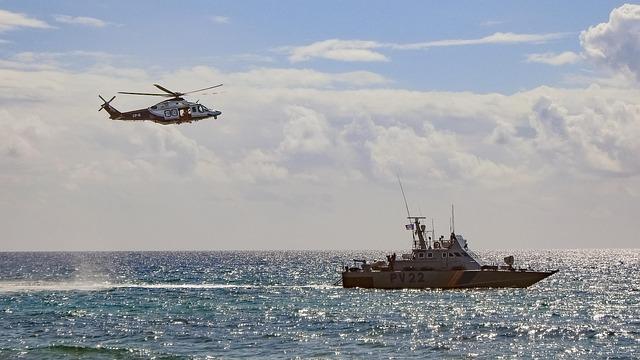
Trump described the operation as a successful, high-risk extraction carried out under difficult conditions, highlighting U.S. rapid-response capability. Pentagon officials said the recovered service member was quickly moved to a secure platform and is now undergoing medical evaluation; the department characterized the individual’s status as stable but withheld identifying information until next-of-kin have been informed.
Officials emphasized that an inquiry into the circumstances surrounding the aircraft’s loss is underway. The administration framed the rescue both as a lifesaving mission and a demonstration of the military’s ability to act decisively in volatile environments while urging de-escalation by all parties.
Operational picture: assets, timeline and methods
U.S. officials provided a broad sketch of the operation without detailing exact times or locations:
– Region: littoral Gulf area near international air routes
– Assets reportedly involved: naval vessels, rotary-wing aircraft, special operations forces, and overwatch surveillance platforms
– Mission outcome: service member recovered and transported to a medical facility; aircraft loss under investigation
Sources described the mission as hinging on rapid intelligence fusion and coordinated action: signals intercepts and geolocation from allied sensors, targeted insertion of recovery teams under air protection, temporary control of relevant airspace to reduce the risk of interference, and precision overwatch to limit collateral harm. Legal advisers and interagency liaisons were said to be embedded at each step to balance operational speed with risk-management and diplomatic considerations.
Technology and tactics highlighted
Officials outlined several tools and tactics that contributed to the outcome and that the administration now wants to emphasize across the theater:
– Persistent surveillance: the use of long-endurance ISR platforms and airborne warning systems to maintain continuous situational awareness
– Targeted special operations: small, well-equipped recovery teams trained for contested environments
– Electronic support measures: spectrum monitoring and countermeasures to protect recovery assets
– Airspace deconfliction: brief, controlled airspace measures coordinated with partners to avoid unintended engagements
Policy recommendations from the administration included expanding aerial coverage, formalizing intelligence-sharing with allies, and clarifying rules-of-engagement (ROE) to give commanders clear authority to protect recovery forces while preserving diplomatic options.
Analysts’ perspectives: gaps to fix and proposals
Defense analysts responding to the incident urged Washington to address both political and operational shortfalls exposed by the episode. Their recommendations clustered around three priorities:
– Strengthen diplomatic channels: create pre-negotiated backchannels and crisis-communication mechanisms with regional partners and, where feasible, adversaries to enable rapid deconfliction during emergencies.
– Standardize medevac and recovery procedures: establish pre-cleared medical evacuation protocols and interoperable medevac standards that apply across allied operations to avoid delays or legal ambiguities in cross-border extractions.
– Clarify public messaging and interagency coordination: implement unified crisis-communication plans so military, State Department and executive-branch statements align and reduce the risk of mixed signals that can escalate tension.
Analysts compared the situation to previous high-stakes military extractions in contested environments, noting that timely medevac and clear ROE are as essential as tactical skill. They urged routine allied exercises that practice cross-border recovery scenarios and the legal frameworks needed to allow rapid action without unintended diplomatic consequences.
Recommendations being discussed
Officials and experts outlined concrete steps they believe would reduce the chance of future incidents spiraling into wider conflict:
– Deploy more AWACS and longer-endurance ISR drones for persistent coverage of contested corridors
– Accelerate and codify allied intelligence-sharing protocols for time-sensitive operations
– Revise ROE guidance to allow decisive protection of recovery forces while preserving political and diplomatic options
– Increase congressional notifications and oversight for high-risk missions
Diplomatic implications and what to watch next
The incident has the potential to strain relations between Washington and Tehran if contested claims about the aircraft’s location and cause of loss remain unresolved. Lawmakers and senior administration figures are expected to seek detailed briefings as investigators compile a full account. Key items to watch in the coming days:
– Classified and open-source intelligence assessments about where and how the jet went down
– Any official response from Iranian authorities or regional partners
– Medical updates on the recovered service member and the timeline for potential return-to-duty assessments
– Findings from Pentagon investigators and any policy changes recommended or enacted in response
Conclusion
The president’s announcement put the rescue into the political spotlight, but many substantive questions remain unanswered: the precise circumstances of the aircraft’s loss, independent verification of the location, and the final determination of the recovered service member’s condition. U.S. defense officials say a formal investigation is underway and that additional briefings will follow. For now, public details are limited; the story remains fluid and will be updated as officials confirm further facts.