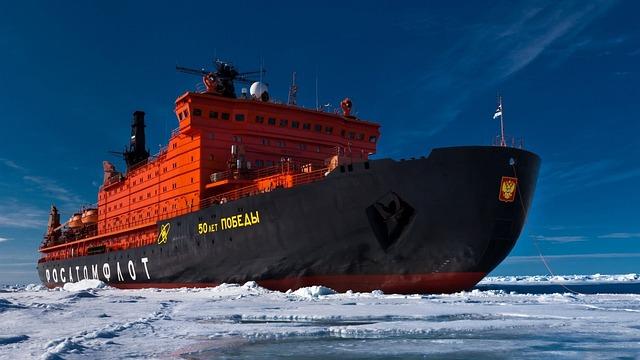
The recent sinkings of Russian vessels in waters well beyond the Ukrainian coast have sharply widened the battlefield, signaling that the war that began on land in eastern Europe is now spilling into seas and ports around the world. Incidents that once would have been confined to the Black Sea or Azov littoral are increasingly occurring in international waters and foreign harbors, disrupting commercial shipping, alarming regional governments and raising the prospect of broader naval confrontation.
Analysts and maritime officials say the pattern – attacks on both military and civilian ships linked to Russia, sometimes far from the immediate theater of combat – represents a substantive escalation: a conflict that is no longer contained by geography or by the traditional front lines of warfare. For trade-dependent states, shipping companies and navies, the development has forced new calculations about security, insurance and diplomatic risk.
This article examines the recent sinkings, the evidence tying them to the Russia-Ukraine war, the reactions from affected countries and maritime authorities, and what the spread of hostilities to the high seas means for global trade, regional stability and the rules that govern international waters.
Recent Sinkings of Russian Vessels Abroad Signal War Has Escalated into a Global Maritime Campaign with Incidents in the Baltic Mediterranean and Red Sea
Reports of recent sinkings of Russian vessels in the Baltic, the Mediterranean and the Red Sea have pushed the conflict beyond regional waters and into a pattern analysts describe as a global maritime campaign. Governments and shipping firms now cite heightened threats to commercial corridors, rising insurance rates and the prospect of wider naval escorts as merchant routes become contested. Satellite imagery, port logs and maritime-monitoring groups point to a mix of targeted strikes and unexplained losses, prompting capitals to reassess force posture and maritime law enforcement in adjacent seas.
The ripple effects are already visible: grain shipments delayed, naval task groups rerouted, and regional navies conducting more frequent patrols. Below is an immediate snapshot observers are using to track the situation – a concise guide to where pressure is building and what it means for international navigation and security. Diplomatic and military responses will likely shape whether these incidents remain episodic or coalesce into a prolonged, cross-ocean campaign.
- Baltic: commercial support ships affected, NATO monitoring increased
- Mediterranean: short-range strikes near shipping lanes, mixed claims
- Red Sea: convoys rerouted, insurers raise premiums
| Region | Incident | Immediate Impact |
|---|---|---|
| Baltic | Support vessel loss | Heightened NATO patrols |
| Mediterranean | Strikes near lanes | Route diversions |
| Red Sea | Convoy attacks | Insurance spikes |
Escalation Threatens Global Trade Security and Legal Exposure for Neutral States as Insurance Costs Rise and Supply Chains Face New Vulnerabilities
The recent pattern of attacks on vessels tied to Russia and operations in foreign waters has pushed what was a regional war into the arteries of global commerce, forcing shippers and governments to rethink risk models. Underwriters have begun to treat major sea lanes as quasi-conflict zones, driving insurance premiums sharply higher and prompting carriers to reroute or suspend services on routes deemed too hazardous.
- Insurance shock: war-risk premiums and secondary market costs spike.
- Logistics disruption: longer routes and port denials fuel delays.
- Legal exposure: neutral states and private operators face unclear liability when attacks occur in their ports or exclusive economic zones.
Market actors and policymakers are already adjusting – some private insurers are narrowing coverage, while flag states and port authorities scramble to define legal red lines under international law. The practical consequences are immediate and measurable: higher costs, slower deliveries and a widening gap between nations willing to accept geopolitical risk and those seeking shelter from it.
| Risk factor | Immediate impact |
|---|---|
| Insurance availability | Limited carriers; higher premiums |
| Transit times | Rerouting adds days-weeks |
| Port access | Increased inspections, denials |
- Diplomatic steps: calls for clearer neutral-state protections and incident-reporting protocols.
- Commercial responses: cargo reroutes, consolidated shipments, and contingency clauses in contracts.
Urgent Policy Measures Governments and Shipping Industry Must Harden Port Defenses Expand Satellite Surveillance and Multinational Naval Escorts and Tighten Insurance and Liability Rules
The recent sinkings of Russian vessels abroad have forced an urgent recalibration: ports must be treated as potential battlefronts and the shipping industry as first responders to hybrid maritime warfare. Governments are being pushed to harden physical port defenses, mandate rapid-response zones around critical berths and integrate coastal radars with commercial satellite feeds and AIS data to spot suspicious activity well before ships dock. Shipping lines and charterers are already weighing the cost of rerouting against the price of escorts; insurers are reassessing war-risk frameworks. Delays in implementing coordinated defenses will deepen disruptions to global supply chains and increase civilian maritime risk.
- Establish multinational naval escort corridors for high-risk sea lanes
- Expand real-time satellite and AIS monitoring with shared intelligence hubs
- Harden port infrastructure: perimeters, redundancies, and damage-control teams
- Standardize insurance and liability rules to ensure rapid compensation and deter attacks
Policymakers now face a binary choice: build robust deterrence through collective action or accept a permanent diffusion of the conflict into commercial seas. Practical steps include NATO and partner navies conducting scheduled escorts, an international task force to certify port resilience, and binding insurance reforms that close loopholes in war-risk exclusions; these moves would shift liability and cost back toward actors who enable or fail to prevent maritime attacks. International law and industry standards must be tightened simultaneously to secure trade and protect neutral actors.
| Stakeholder | Immediate Measure | Expected Effect |
|---|---|---|
| Governments | Port hardening & naval escorts | Reduced attack success, restored confidence |
| Shipping Industry | Route adjustments & convoy participation | Operational continuity, higher short-term costs |
| Insurers | Standardized war-risk clauses | Clearer liabilities, faster claims |
Final Thoughts
Questions about who carried out the attacks and why remain unresolved, and investigations are continuing. What is clear is that the incidents have reverberated far beyond the Black Sea – raising alarms about the safety of commercial shipping, complicating naval operations, increasing diplomatic tensions and testing legal and insurance frameworks that underpin global trade. How governments and international bodies respond in the coming days and weeks will help determine whether these episodes remain isolated or mark a broader escalation. For now, the sinkings serve as a stark reminder that the Russia-Ukraine war is producing consequences well beyond Ukraine’s borders, and reporters and officials will be watching closely for signs of further spillover.