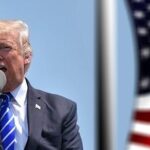
The New York Times reported that former President Donald J. Trump directed an effort to reinstate the chief executive of Nvidia, an extraordinary intervention that, if confirmed, would mark a rare instance of a former president pressing to influence the leadership of a major technology company. According to people briefed on the matter, Mr. Trump and his allies privately urged officials and associates to support the executive’s return, a campaign that has raised fresh questions about the interplay between politics and corporate governance. The development adds to scrutiny of Mr. Trump’s post-presidential activities and could reverberate across Silicon Valley and Washington.
Trump Said to Have Directed Effort to Reinstate Nvidia Chief, Prompting Scrutiny Over Political Interference in Corporate Leadership
The New York Times reported that former President Donald Trump directed aides to press for the reinstatement of Nvidia’s chief executive, an intervention that, according to people familiar with the matter, blurred the lines between political influence and corporate governance. The account has spurred immediate questions from governance experts and investors about whether such efforts undermine board independence and set a new standard for political involvement in private-sector leadership decisions. Nvidia did not immediately respond to requests for comment and spokespeople for Mr. Trump have not publicly addressed the specific allegation.
Analysts say the episode raises several potential ramifications:
- Board autonomy: Pressure from political figures could curtail independent decision-making by corporate boards.
- Investor confidence: Shareholders may view executive reinstatements tied to politics as a governance risk.
- Regulatory scrutiny: Lawmakers and regulators could probe whether any laws or disclosure rules were circumvented.
- Precedent: Corporate leaders worry about becoming targets of future political maneuvers.
The allegations have prompted calls for clear disclosures and possible inquiries by governance watchdogs as the broader business community watches for how companies will shore up protections against external political pressure.
New York Times Reporting Outlines Timeline of Messages and Meetings; Ethics Analysts Call for Independent Investigation and Stricter White House Conduct Rules
Reporting by The New York Times traces a sequence of communications and meetings that, according to multiple officials cited in the story, culminated in an executive-level push to restore the leader of a major semiconductor company to a prominent position. The chronology, as laid out by the newspaper, highlights a pattern of repeated texts, phone calls and face-to-face meetings involving senior White House aides, industry executives and outside advisers – with several participants describing directives conveyed from the top. Officials said the exchanges spanned weeks and included follow-up instructions and coordination across multiple offices, suggesting a sustained, organized effort rather than isolated outreach or routine engagement.
Ethics analysts and government watchdogs reacted swiftly to the reporting, urging an independent review and tighter standards to govern interactions between the White House and private-sector leaders. They warned that the episode raises questions about conflicts of interest, record-keeping and the adequacy of existing conduct rules. Proposed reforms floated by experts include clearer disclosure requirements, mandatory logs of non-public meetings, and an independent counsel to review high-level interventions:
- Disclosure: Timely public notice of meetings with private-sector executives.
- Documentation: Centralized logs for messages and informal contacts involving senior officials.
- Oversight: Independent investigation of potential ethical breaches.
| Reform | Purpose |
|---|---|
| Mandatory Meeting Logs | Track non-public interactions with industry |
| Stronger Recusal Rules | Limit involvement where personal interests exist |
| Independent Review Panel | Impartial probe of White House conduct |
Recommended Steps for Regulators and Boards: Require Immediate Disclosure of Communications, Conduct Forensic Review of Governance Decisions and Strengthen Conflict of Interest Safeguards
In the wake of reports that high-level political pressure may have influenced corporate leadership decisions, regulators and boards should move swiftly to mandate immediate public disclosure of any communications that could bear on executive appointments, removals or reinstatements. Recommended measures include:
- Immediate filing requirements – disclosures within 24-48 hours to the appropriate regulator and public registry.
- Document preservation orders – automatic holds on related email, messaging and phone records.
- Whistleblower protections – safe channels and legal safeguards for employees who report improper contacts.
- Enforceable penalties – fines, suspensions or referral for criminal investigation where concealment or obstruction is found.
Alongside disclosure rules, authorities should compel an independent forensic review of governance decisions, grant auditors full access to communications and impose robust conflict safeguards so boards are insulated from undue influence. Actions for immediate implementation include external audits of board deliberations, temporary recusal and cooling-off periods for implicated directors, and public conflict registers maintained by a neutral ethics office. A concise accountability map for these steps appears below.
| Action | Responsible Body |
|---|---|
| Immediate disclosure & preservation | SEC / national regulator |
| Forensic governance audit | Independent counsel & third‑party auditors |
| Conflict-of-interest registry | Board ethics office / corporate secretary |
Concluding Remarks
The revelation that a former president reportedly pressed to reinstate a top technology executive adds a new flashpoint to debates over the boundary between government power and corporate decision-making. Legal and ethics experts say such interventions, if confirmed, could prompt additional scrutiny from regulators and lawmakers, even as the full scope of Mr. Trump’s involvement remains unclear. Company officials and political allies will likely face fresh questions as investigators and journalists continue to probe the matter. The story is developing, and The New York Times will provide updates as more information becomes available.