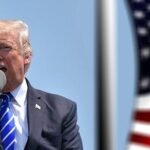
A recent report says former President Donald Trump has been “ghosted” by a foreign autocrat who, until recently, appeared to have cultivated an unusually warm personal rapport with him. The account describes an abrupt halt in communications between the two men, raising questions about the political and reputational fallout for Trump and the implications for the broader relationships that had been highlighted during his tenure and afterward. Neither Trump nor the leader named in the report has publicly commented.
Report Details How Alleged Romance With Authoritarian Leader Evolved Into a Public Cold Shoulder
Reporters tracking the unusual public courtship say what began as frequent praise and unusually warm gestures quickly moved behind closed doors into a pattern of private visits and near-constant messaging. Sources familiar with both camps described late-night calls, discreet meetings at neutral locations and an exchange of symbolic gifts that became the public face of a surprising alignment between a former president and a hardline foreign leader. Observers flagged several early signs that the relationship had crossed from transactional to personal:
- Private dinners arranged off the calendar with minimal staff present
- Frequent direct messages between aides and, reportedly, the principals themselves
- Official praise on state media and cordial, staged photos during preliminary meetings
- Gifts and tokens that were publicly framed as diplomatic but described privately as personal
The tone then shifted abruptly: what had been a steady stream of mutual compliments and joint appearances flattened into pointed omissions and carefully choreographed distance. Photographs were quietly removed, previously scheduled joint events were downgraded, and aides on both sides began offering tightly worded statements that emphasized policy over personality. Analysts say the change appears to be deliberate and strategic, not merely the result of scheduling or spin – a calculated public cold shoulder with diplomatic and political consequences. A compact timeline compiled from a review of public records and insider accounts highlights the pivot:
| Date | Event | Signal |
|---|---|---|
| Mar 2024 | Private visit | Gifts exchanged |
| Jun 2025 | Joint photo op | Image later removed |
| Oct 2025 | Regional summit | Not invited to side meeting |
With both domestic critics and foreign counterparts watching, the abrupt coolness has raised questions about leverage, optics and the role personal relationships play in high-stakes diplomacy. Spokespeople for the parties involved declined to comment beyond scripted statements, leaving a trail of visible silences where once there had been conspicuous affection.
Policy Stakes and Security Risks Tied to Personal Ties Between Former President and Foreign Strongman
Personal affinity between a former president and a foreign strongman can translate into tangible policy consequences, blurring the line between private loyalty and national interest. Senior officials and allies say such relationships risk creating uneven application of sanctions, awkward intelligence-sharing arrangements and muddled crisis responses, because decisions driven by personal ties often bypass the normal interagency checks that protect classified methods and diplomatic consistency. In practice this can force career diplomats and military planners to reconcile official policy with ad hoc back-channel dealings that neither Congress nor the intelligence community have properly vetted.
Security analysts flag several immediate vulnerabilities tied to that intimacy:
- Compromise of sensitive information – informal conversations can expose sources or capabilities.
- Policy incoherence – allies receive mixed signals when public stances diverge from private promises.
- Sanctions circumvention – personal exemptions can weaken multilateral enforcement.
- Strategic emboldening – adversaries may test limits if they sense transactional ties.
Oversight officials say restoring predictable, rule-based decision-making will be essential to mitigate these risks and reassure partners that national security choices are driven by institutional safeguards rather than personal relationships.
Analysts Call for Full Disclosure, Stricter Ethics Rules and Clearer Protocols to Prevent Unofficial Channels in Diplomacy
Analysts say recent reporting that a foreign autocrat effectively “ghosted” the former president through unofficial contacts has exposed vulnerabilities in how the United States documents and polices off‑record diplomacy. Experts interviewed by multiple outlets called for full disclosure of informal meetings and communications, arguing that shadow interactions erode institutional memory and can bypass national security vetting. Pressure is mounting on career diplomats and ethics watchdogs to demand clearer chains of custody for messages and to treat personal envoys and private intermediaries with the same scrutiny as formal envoys.
- Public logs of all non‑official foreign engagements
- Mandatory reporting of interlocutors to the State Department and Congress
- Strengthened sanctions for officials who use personal channels to circumvent policy
- Expanded whistleblower protections for staff who disclose unauthorized contacts
| Actor | Recommended Action | Suggested Timeline |
|---|---|---|
| State Department | Publish centralized contact logs | 90 days |
| Office of Government Ethics | Revise conflict‑of‑interest rules | 60 days |
| Congress | Hold oversight hearings | 30 days |
Legal scholars warned that without stricter ethics rules and a standard protocol for unofficial channels, future administrations could face repeated credibility losses and policy confusion, particularly when dealing with authoritarian leaders who prize personal rapport over institutional process. The consensus among commentators: transparency and enforceable standards are the only reliable remedies to prevent private backchannels from becoming parallel foreign policy tracks outside democratic oversight.
To Conclude
The report, if borne out, adds a surprising personal dimension to a relationship that has already drawn scrutiny from lawmakers and foreign-policy experts, and it underscores how private allegiances can bleed into public diplomacy. Critics say the episode could deepen questions about judgment and influence, while supporters dismiss it as tabloid speculation; either way, it is likely to shape political debate in the coming weeks.
Neither Trump nor the foreign leader has publicly addressed the account, and representatives for both had not issued statements at the time of publication. Journalists will continue to seek comment and will update this story as new information becomes available.