China Confirms Purchase of US-Built Aircraft After Donald Trump Visit – A Practical Pivot in Commercial Aviation
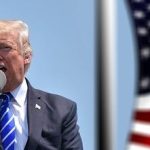
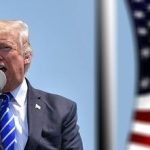
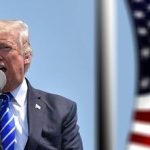
Chinese authorities have acknowledged a contract to acquire US-manufactured aircraft following a recent visit by former US president Donald Trump, according to media reports. Officials disclosed few hard details immediately – the exact vendors, contract value and delivery schedule remain under wraps – but state and industry sources frame the agreement as a commercially driven response to rising demand for both passenger and cargo capacity. If carried through, the transaction would represent a significant moment in Sino‑US aviation commerce and will almost certainly require multiple cross-border regulatory clearances and invite political scrutiny in both countries.
What Is Known – And What Remains Unclear
Public statements from government and industry contacts have been deliberately circumspect. Key elements that have been reported or widely speculated about include:
- Scope: a mixed order of passenger and freighter-configured jets;
- Size: market watchers describe it as “dozens” of airframes, with some suggesting the order could range from several dozen up to a low triple-digit total;
- Timing: deliveries are expected to be phased rather than immediate, contingent on certification and logisitical steps;
- Value: analysts place the likely contract amount in the multi‑billion‑dollar band, though precise figures have not been released;
- Service terms: the arrangement reportedly includes expanded training, maintenance partnerships and some form of longer-term support to preserve aircraft availability.
These points are derived from unnamed state and industry sources; official contracts and detailed schedules have not yet been published.
Operational Hurdles: Certification, Delivery Windows and Supply-Chain Fragility
Experts warn that turning a headline purchase into operational aircraft in Chinese fleets can be a complicated, time-consuming process. Three interlocking challenges stand out:
1) Dual Certification and Technical Validation
Aircraft certified by the US Federal Aviation Administration must usually undergo additional validation by Chinese civil aviation authorities. That process – which can involve supplemental type certificates for region-specific equipment and cabin configurations – sometimes takes months. Past precedents, such as lengthy recertification exercises seen in other high-profile cases, show how safety-driven reviews can extend timelines far beyond initial expectations.
2) Production Backlogs and Delivery Scheduling
Manufacturers are operating under constrained production capacities following pandemic-era disruptions, and long order books have stretched delivery calendars. Airlines face the risk that nominal delivery slots may be pushed back by assembly-line bottlenecks, logistics bottlenecks at ports or congestion in airport slot allocations needed to put new aircraft into service.
3) Global Supply-Chain Exposure
Modern airframes contain thousands of parts from suppliers around the world. Export controls, shipping interruptions or shortages at a small but critical supplier can ripple into substantial build or service delays. The presence of dual‑use components – items with potential civilian and military applications – adds another regulatory layer that could prompt licence reviews and slow shipments.
Think of the process as importing a precision instrument that must be recalibrated, rewired and retested to meet a different country’s standards before it can be relied on in day‑to‑day operations.
Industry Guidance: How Carriers and Lessors Can Build Resilience
Former regulators and aviation analysts recommend immediate, practical steps for airlines, lessors and manufacturers to reduce the chance that delays become painful operational or financial problems:
- Secure contingency financing or bridge lines to offset cashflow pressure if aircraft are not delivered on the original timetable;
- Negotiate flexible delivery and acceptance clauses to accommodate shifts in production schedules without catastrophic penalties;
- Broaden MRO (maintenance, repair and overhaul) arrangements to avoid reliance on a single provider or jurisdiction for critical services;
- Map and validate alternate parts suppliers and logistics routes to reduce single‑point failures;
- Engage early and often with both US and Chinese regulators to identify certification hurdles in advance and seek coordinated testing schedules.
Industry advisers note that a narrow MRO strategy or insufficient liquidity can leave operators exposed if even a handful of aircraft are delayed, because leased units, crew planning and route schedules are tightly interlinked.
Policy Measures That Could Keep the Deal on Track
Beyond company-level fixes, senior industry figures argue that a small set of bilateral policy steps would materially reduce the risk that geopolitics undermines this commercial initiative. Recommended measures include:
- Harmonised certification timelines: publish synchronized test and validation schedules so manufacturers and airlines can plan with greater certainty;
- Clearer export-control carve-outs for bona fide civilian aviation components, with sector‑specific guidance to shorten licensing times;
- A standing technical exchange or independent arbitration panel to resolve disputes over safety, interoperability or standards without recourse to broader political channels.
Practical milestones could be published alongside commercial announcements – for example, a six‑ to twelve‑month target to harmonize testing schedules, three‑ to six‑month guidance updates on licensing rules, and an agreement to establish dispute‑resolution mechanisms within nine months.
Precedents and Why This Matters
Commercial aviation is especially sensitive to regulatory and supply‑chain shocks. The industry has previously experienced extended grounding and recertification episodes that disrupted fleets and revenue streams; those events demonstrate how safety reviews and technical fixes can have outsized commercial effects. Stabilizing this new agreement would therefore require both contractual flexibility and political will to insulate air transport from short-term diplomatic friction.
Summary: Stakes, Risks and What to Watch
China’s confirmation of a purchase of US-built aircraft after the high-profile visit by Donald Trump is a noteworthy step toward reconnecting some commercial elements of the bilateral relationship. While the announcement signals pragmatic commercial intent, the deal’s substance – manufacturers involved, numbers, pricing and exact delivery timelines – remains unverified in public documents.
Key issues to monitor in the coming weeks and months:
- Formal release of contract terms and the names of suppliers;
- Regulatory timelines set by US and Chinese aviation authorities for certification and supplemental approvals;
- Details of maintenance and training partnerships that will underpin long-term fleet support;
- Legislative or executive actions in either country that could introduce new export restrictions or review processes.
Market participants and reporters will be watching government statements, filings from manufacturers and airlines, and any follow-up negotiations that translate this diplomatic moment into concrete, serviceable aircraft in the air.
Key Takeaways
- The contract announcement marks a pragmatic re-engagement in Sino‑US commercial aviation but lacks published detail on value, vendors and schedule.
- Certification, production backlogs and supply‑chain fragility are the primary operational risks that could delay aircraft entering service.
- Companies should shore up financing, build flexible contractual protections and diversify MRO arrangements; policymakers should pursue coordinated certification timetables, clearer export-control guidance and a technical dispute mechanism to protect long-term cooperation.