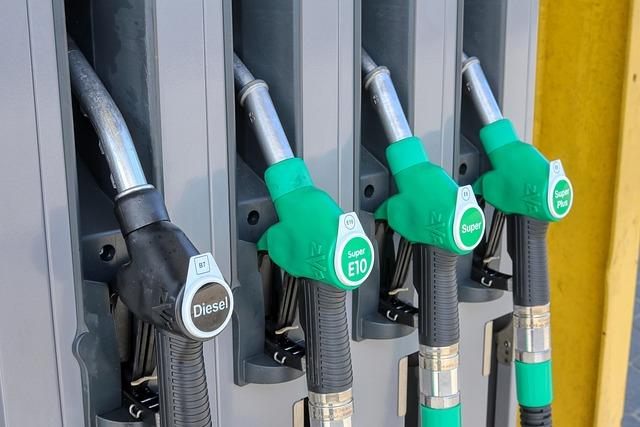
Nationwide Pump Prices Top $4 – What’s Driving the Increase and How Drivers Can Respond
According to a daily retail survey from AAA, gas prices have climbed past $4 per gallon in every U.S. state and in Washington, D.C. This uniform threshold-measured at local pumps-has broad implications for household budgets and businesses that depend on road transport as communities and policymakers assess the economic fallout.
Why the Price Jump? Crude, Refineries and Seasonal Pressure
AAA analysts point to two central dynamics: higher crude-oil valuations on world markets and reduced refining flexibility inside the U.S. Together with seasonal demand increases and transport bottlenecks, these forces have tightened supply margins and driven wholesale gasoline costs upward, which quickly appear at the pump.
- Higher global crude benchmarks, influenced by geopolitical uncertainty and cuts in crude output.
- Planned and unplanned refinery outages that temporarily remove processing capacity.
- Seasonal blending and distribution constraints that add complexity to regional supply chains.
Those factors mean wholesale price moves can translate rapidly into retail increases. Unless either crude prices decline or refiners restore spare capacity, the current upward pressure on pump prices is likely to continue in the near term.
Regional Patterns: The West and Northeast Are Especially Affected
Price increases are not evenly distributed. Coastal regions with concentrated refining and distribution networks have seen the largest spikes. States on the West Coast and in parts of the Northeast-where localized refinery maintenance or transportation interruptions have clipped inventories-are experiencing above-average pump levels.
| Region | Representative Retail Price | Driver |
|---|---|---|
| West Coast | ≈ $5.20/gal | Local refinery turnarounds, state fuel rules |
| Mid‑Atlantic | ≈ $4.35/gal | Distribution bottlenecks, seasonal demand |
| South | ≈ $4.05/gal | Lower taxes but rising wholesale costs |
Think of regional supply chains like a highway system: when a major lane (a refinery) closes for maintenance or an accident (a pipeline disruption) narrows access, traffic (fuel supply) backs up and congestion (higher prices) follows-especially where there are few alternate routes.
Practical Steps Drivers Can Take This Month
While broader market forces are outside individual control, drivers can adopt immediate tactics to reduce the sting of higher pump costs:
- Compare stations: price‑comparison apps and loyalty cards commonly shave several cents per gallon.
- Trim miles: combine errands, plan routes to avoid backtracking, and consolidate short trips.
- Maintain fuel efficiency: keep tires inflated, replace air filters when recommended, and avoid excessive idling.
- Use alternatives when feasible: carpool, use public transit, or switch short errands to biking or walking.
Example: a household that drives 1,000 miles per month in a vehicle averaging 25 mpg consumes 40 gallons. A rise from $3.50 to $4.00 per gallon increases monthly fuel spending by 40 × $0.50 = $20. Modest behavioral changes or price-shopping can recoup a meaningful share of that amount over time.
What Policymakers and Regulators Can Do to Ease Volatility
Officials can temper short-term pain and reduce future vulnerability through a mix of transparency measures, targeted relief, and infrastructure policy:
- Improve reporting requirements so refiners and storage operators disclose outages and inventories promptly, allowing markets and consumers to react more smoothly.
- Use targeted assistance-direct payments or fuel vouchers-to protect low‑income households most exposed to price swings.
- Employ temporary tools when appropriate, such as strategic stock releases or regulatory waivers to address acute regional supply shortfalls.
- Advance medium‑ and long‑term investments: speed permitting for storage and distribution projects, encourage refinery flexibility, and promote diversified import routes.
Longer-term strategies that increase competition and strengthen the logistics backbone will reduce the market’s sensitivity to short-lived shocks and regional outages.
Key Takeaways and What to Watch
The milestone-retail gasoline averaging over $4 per gallon nationwide as reported by AAA-underscores a widespread rise in transportation costs driven by elevated crude prices, refinery capacity limits and seasonal consumption. The immediate consequence is greater pressure on household budgets and businesses that depend on road freight.
Market watchers will be monitoring a handful of signals for relief or further escalation: international crude benchmarks, refinery output and maintenance schedules, regional inventory reports, and indicators from agencies such as the Energy Information Administration. For consumers, prudent planning and small changes in driving habits can blunt short‑term impact, while coordinated policy efforts can help stabilize supply over the medium term.